The Bagurumba Dance at Sarusajai Stadium is shaping up to be one of the most powerful cultural stories Assam has told in recent years. As preparations reach their final stage in Guwahati, the scale, emotion, and cultural depth of this event are drawing attention far beyond the state’s borders.
Scheduled for January 17 at Sarusajai Stadium, the performance will bring together tradition and unity on a scale rarely seen in India’s cultural landscape.
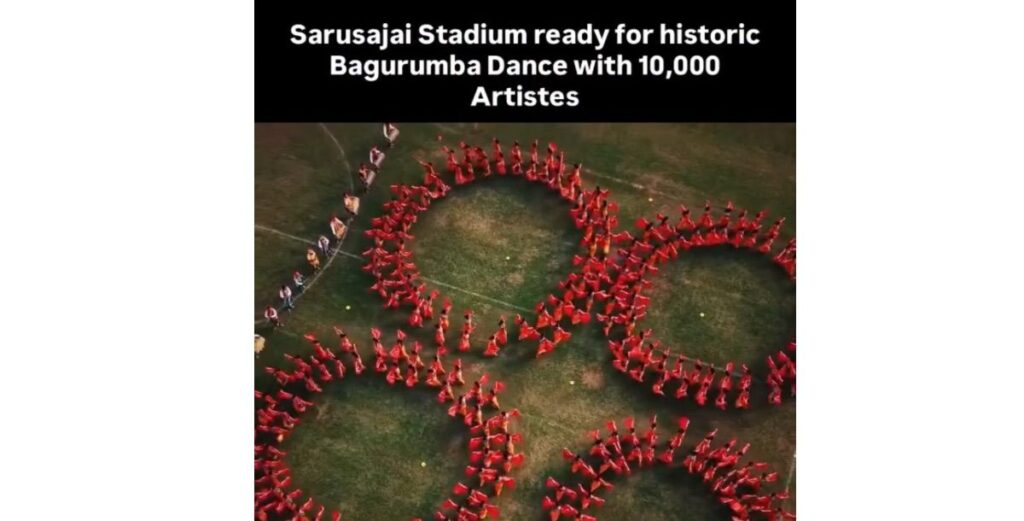
Why the Bagurumba Dance at Sarusajai Stadium Matters Now
The Bagurumba Dance at Sarusajai Stadium is not just about numbers. It reflects a moment when Assam is confidently placing its indigenous heritage at the centre of the national conversation.Bagurumba, the traditional folk dance of the Bodo community, represents harmony with nature, grace, and collective joy. Presenting it through a mass performance sends a clear message: local traditions deserve national recognition without losing authenticity.
Inside the Historic Bagurumba Dance at Sarusajai Stadium Rehearsals
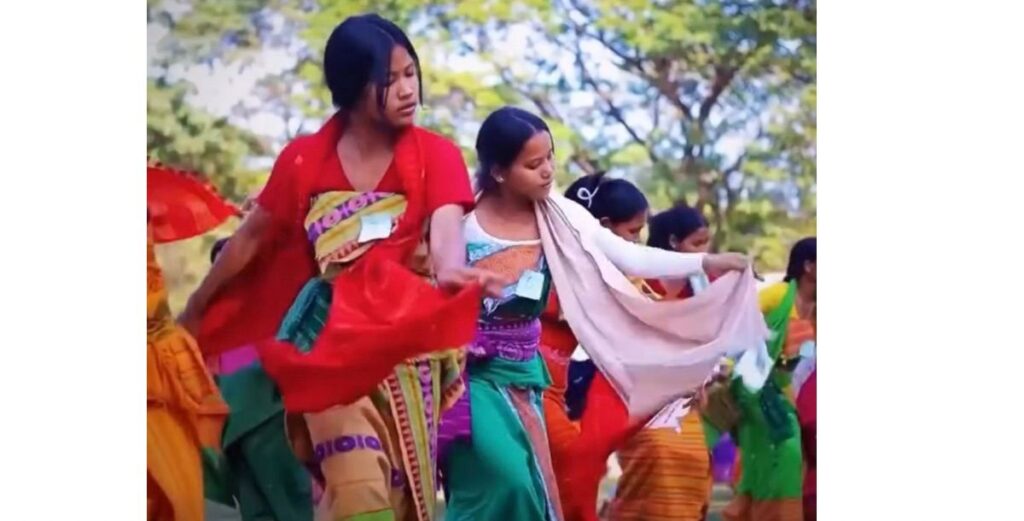
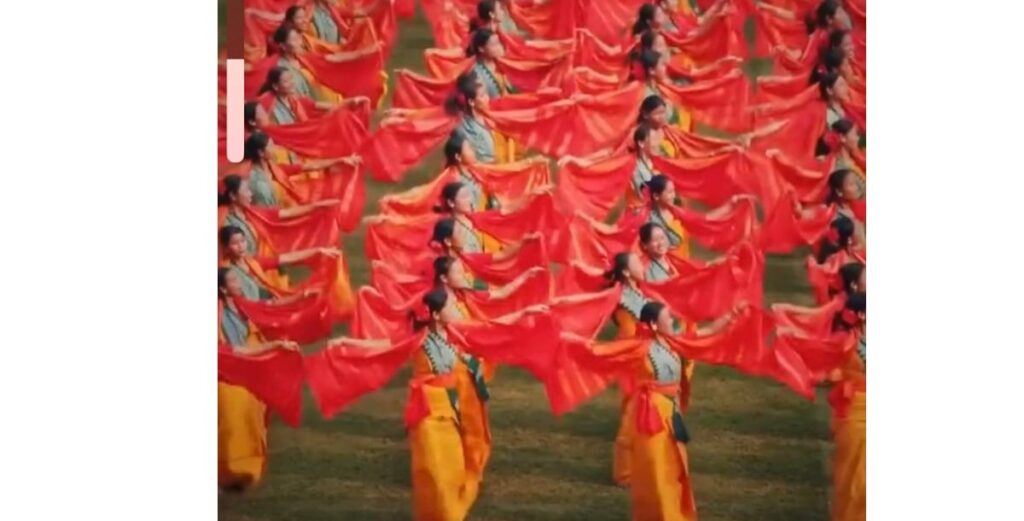
Since January 12, the Bagurumba Dance at Sarusajai Stadium rehearsals have transformed the venue into a disciplined cultural arena.From early morning sessions to late-evening practice, dancers from multiple districts are training together with remarkable coordination. Visuals from the ground reveal
- Thousands of artistes moving in perfect synchronization
- Circular and linear formations spanning the entire field
- Traditional red and earthy-toned attire creating striking symmetry
Managing such a massive ensemble requires precision, and the rehearsals highlight the organizational effort behind the scenes.
January 17 and National Attention on Assam
The date chosen for the Bagurumba Dance at Sarusajai Stadium aligns with Assam’s cultural calendar, a time when regional traditions naturally gain wider visibility.
Adding to the importance is the presence of Narendra Modi, which elevates the event from a state-level celebration to a nationally observed cultural moment. It signals recognition of indigenous traditions at the highest level of governance.
What Makes the Bagurumba Dance at Sarusajai Stadium Historic
Several factors set the Bagurumba Dance at Sarusajai Stadium apart:
- Around 10,000 artistes performing simultaneously
- Participation from both trained dancers and community members
- Choreography rooted in traditional Bagurumba movements
- A focus on unity rather than commercial spectacle
- Large-scale safety and coordination planning
While no official world record claims have been announced, the magnitude alone places this among the largest folk dance showcases in India.
Why the Bagurumba Dance at Sarusajai Stadium Is Culturally Significant
At a time when audiences value authenticity, the Bagurumba Dance at Sarusajai Stadium stands as an example of cultural preservation through participation.
For the Bodo community, Bagurumba is a living tradition passed down through generations. Bringing thousands together in one synchronized performance strengthens cultural continuity while presenting it in a modern, organized format.This is cultural storytelling rooted, respectful, and relevant.
Digital Impact of the Bagurumba Dance at Sarusajai Stadium
The aerial visuals emerging from rehearsals are already gaining traction online. The Bagurumba Dance at Sarusajai Stadium creates patterns and formations that are visually compelling, especially for mobile-first audiences.Such imagery naturally fits discovery platforms, helping Assam’s cultural narrative reach new and younger audiences across the country.
Key Facts at
- Event: Bagurumba Dance Performance
- Venue: Sarusajai Stadium, Guwahati
- Date: January 17
- Participants: Around 10,000 artistes
- Special Presence: Prime Minister Narendra Modi
- Cultural Focus: Bodo community’s traditional Bagurumba dance
Conclusion: Assam Steps Forward with Confidence
The Bagurumba Dance at Sarusajai Stadium is more than a performance it is Assam presenting its identity with pride, discipline, and unity.and more realtive news visit our site
When thousands of dancers move together on January 17, they will not only perform a folk dance. They will affirm that Assam’s traditions are vibrant, relevant, and ready to stand on the national stage.