At a time when early childhood education is at the heart of India’s development debate, Assam is witnessing visible change on the ground. Under Chief Minister Himanta Biswa Sarma, the transformation of the Anganwadi Centre in North Lakhimpur has become a symbol of a larger shift one that directly affects families, children, and rural communities across the state.
For many residents, this is not just another government building. It represents improved dignity, safety, and opportunity for the next generation.
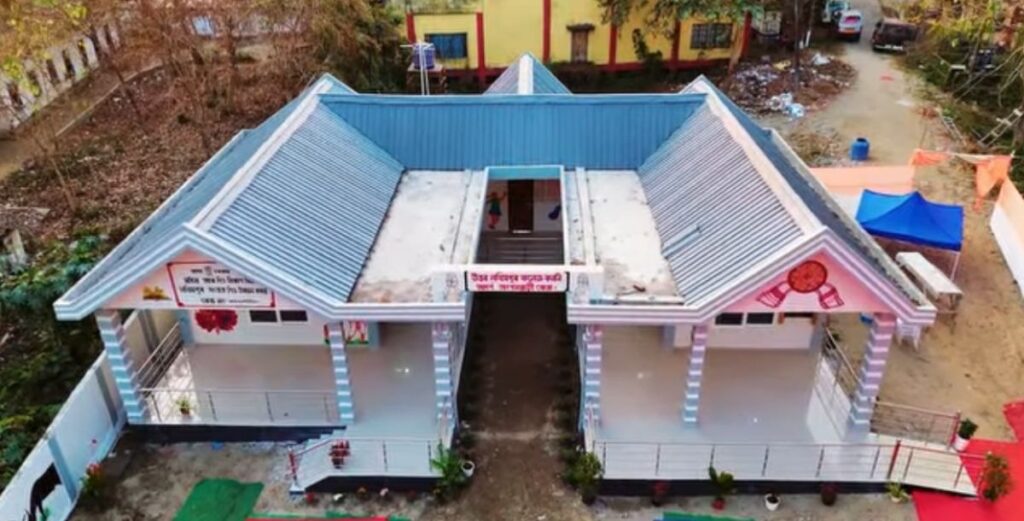
A Modern Anganwadi Centre Takes Shape in North Lakhimpur
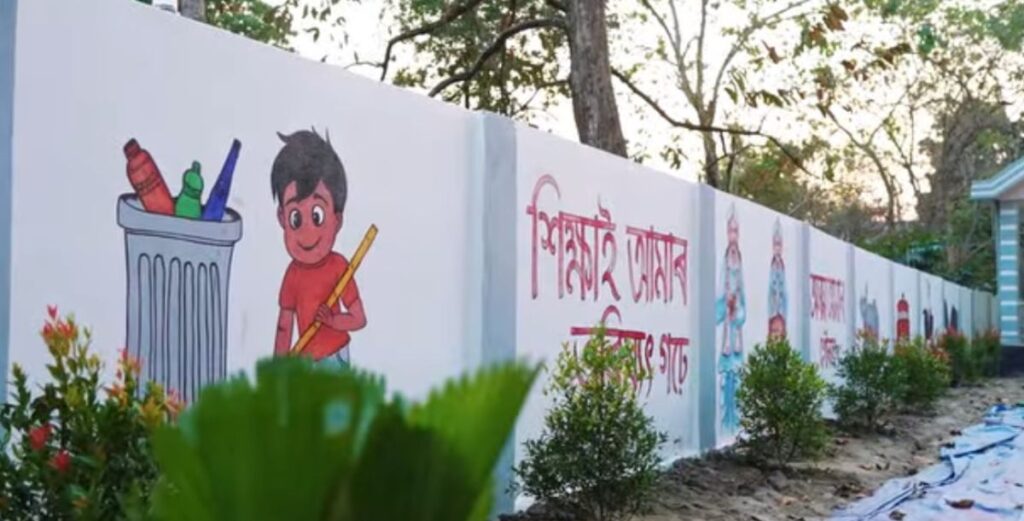
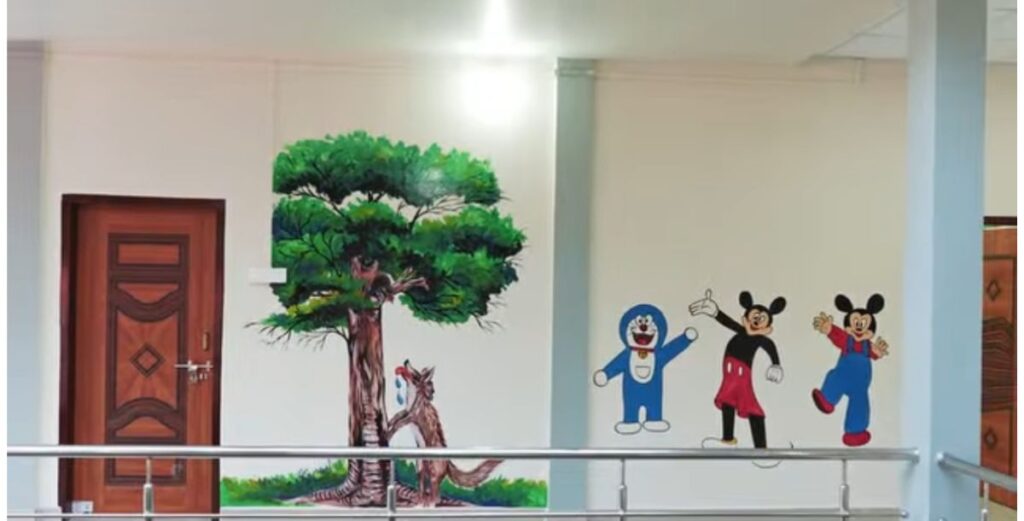
The newly upgraded Anganwadi Centre in North Lakhimpur stands out immediately. The structure is solid and permanent, replacing older temporary setups that often lacked basic facilities.
Brightly painted walls feature alphabets, animals, and nature themes designed to make learning interactive. The classrooms are ventilated and well-lit. Tiled floors, proper sanitation units, clean drinking water, and secure entry points add to the sense of safety.This Anganwadi Centre reflects the broader development drive initiated after Himanta Biswa Sarma assumed office. Since 2021, hundreds of such centres have been upgraded across Assam.
Why Anganwadi Centres Matter More
India operates over 13 lakh Anganwadi Centres under the Integrated Child Development Services (ICDS) scheme. These centres provide supplementary nutrition, pre-school education, immunization support, and health monitoring for children under six.
Yet for years, infrastructure gaps limited their effectiveness.Experts in early childhood education consistently point out that learning environments directly impact cognitive growth. A clean, stimulating Anganwadi Centre encourages attendance, builds trust among parents, and strengthens foundational literacy.
With the National Education Policy (NEP) 2020 prioritizing foundational learning, infrastructure improvements are no longer optional they are essential.
Himanta Biswa Sarma’s Focus on Tea Garden Areas
Beyond North Lakhimpur, the government has expanded Anganwadi Centre construction in tea garden regions communities historically underserved in terms of public infrastructure.
Permanent buildings are replacing fragile structures. Kitchen spaces have improved to support nutrition programs. Separate sanitation facilities are being installed.
Residents in several tea garden belts say access to better Anganwadi Centres has improved their confidence in public services. For families dependent on daily wages, these centres are often the first point of structured education for their children.
From Buildings to Better Outcomes
Officials emphasize that the goal is not cosmetic development but long-term educational impact.A well-equipped Anganwadi Centre provides
- Pre-school learning activities
- Growth monitoring for children
- Nutritional support for mothers and infants
- Health awareness programs
Research in child development shows that early stimulation improves school readiness and reduces dropout risks later. When children begin learning in safe, organized spaces, they transition more smoothly into formal schooling.
The North Lakhimpur Anganwadi Centre demonstrates how infrastructure can directly support these outcomes.
Alignment with National Development Goals
The central government’s Saksham Anganwadi and Poshan Abhiyaan initiatives aim to modernize early childhood services nationwide.
States that invest in infrastructure strengthen the delivery of these programs. Assam’s upgraded Anganwadi Centres align with this larger framework, integrating nutrition, education, and health at the grassroots level.Policy analysts note that improving physical infrastructure enhances service efficiency. Better kitchens ensure food safety. Proper sanitation reduces health risks. Safe classrooms improve retention.
The North Lakhimpur project fits within this integrated development model.For parents in North Lakhimpur, the change is tangible.
A modern Anganwadi Centre means children no longer sit in cramped or poorly maintained spaces. Mothers collecting supplementary nutrition report better hygiene standards. Anganwadi workers say improved infrastructure helps them conduct activities more effectively.
In rural Assam, such upgrades do more than provide facilities. They build institutional trust.Community confidence increases when public services visibly improve.India’s demographic dividend depends on how well it invests in young children today.
Early childhood education shapes cognitive ability, social skills, and long-term productivity. An upgraded Anganwadi Centre is not just a welfare measure; it is an economic investment.
As Assam continues expanding these reforms, the North Lakhimpur Anganwadi Centre serves as a case study in grassroots transformation under Himanta Biswa Sarma’s leadership.The impact may not make daily headlines, but it quietly reshapes communities.
FAQ
1.What is an Anganwadi Centre?
An Anganwadi Centre is a government-run facility under ICDS providing nutrition, early education, and health services to children under six and mothers.
2.Why is the North Lakhimpur Anganwadi Centre significant?
It represents a modern infrastructure upgrade aimed at improving early childhood care and foundational learning outcomes.
3.How does this support NEP 2020?
NEP 2020 emphasizes foundational literacy and early education. Upgraded Anganwadi Centres strengthen this base.
4.Are similar upgrades happening elsewhere in Assam?
Yes. Since 2021, multiple Anganwadi Centres, including those in tea garden areas, have been renovated or newly constructed.
Conclusion
The transformation of the Anganwadi Centre in North Lakhimpur highlights a broader developmental push in Assam. Under Himanta Biswa Sarma, infrastructure upgrades are targeting the foundation of education itself.
When children begin their learning journey in safe, engaging spaces, the benefits extend far beyond classrooms. Strong Anganwadi Centres today can shape stronger communities tomorrow.