
Writer by finbuzzindia 08.04.2026 Time 01.10 Pm Published
Tomorrow, April 9, 2026, Assam will vote in a single-phase Legislative Assembly election that could redefine how democracy is conducted in India. For the first time at this scale, every single polling booth will be live-webcast, giving voters, candidates, and the nation real-time eyes on the process. With 2.5 crore eligible voters, 126 constituencies, and 722 candidates in the fray, the Election Commission of India has declared: all systems are ready for a free, fair, and smooth poll.
This is not just another election. It is a carefully engineered exercise in trust-building at a time when public faith in institutions matters more than ever. Here’s your complete, reader-friendly guide to what’s happening, why it matters, and how the massive preparations will shape the next five years in Assam.
Massive Scale Meets Modern Technology
The numbers are staggering. Over 31,490 polling stations have been set up across cities, villages, tea gardens, and remote riverine islands. Chief Electoral Officer Anurag Goel has confirmed that every logistical detail from ballot papers to voter slips is in place.
What truly sets the 2026 Assam polls apart is the technology upgrade. For the first time, 100% live webcasting will cover all polling stations. Real-time monitoring centres have been established so senior officials, central observers, and even the public (via designated portals) can watch proceedings as they unfold. This move directly tackles two big voter concerns: malpractice and misinformation. If something looks wrong, it can be flagged instantly. Transparency is no longer a promise it’s built into the system.
Security: Zero Tolerance for Disruption
Security is being handled with military precision. Central Armed Police Forces (CAPF) have been deployed in strength across sensitive and high-risk zones, working shoulder-to-shoulder with state police. Central observers are already on the ground, keeping a sharp eye on three critical areas: security arrangements, polling procedures, and election expenditure.
In a state as diverse and strategically located as Assam, peaceful polling is non-negotiable. The multi-layered security grid physical forces plus digital surveillance aims to ensure that every voter, regardless of where they live, can exercise their right without fear.
Why This Election Feels Different
Assam’s political landscape has seen sharp shifts in recent years. Issues of development, identity, flood management, infrastructure, and good governance remain at the heart of voter conversations. This election will decide who represents the state’s 126 seats for the next five years and will send strong signals about regional alliances and national politics.
Yet the real story is not just who wins it is how the election is being conducted. By choosing full webcasting, the Election Commission is sending a clear message: in the age of deepfakes and distrust, verifiable transparency is the new standard. Voters in remote areas, first-time voters, and even sceptics now have an extra layer of assurance that their vote will be counted fairly.
What Voters Should Know Before Heading to the Polls
If you are one of the 2.5 crore voters, here’s practical help:
- Polling Day: April 9, 2026 (single phase). Polling stations open from 7 AM to 6 PM in most places.
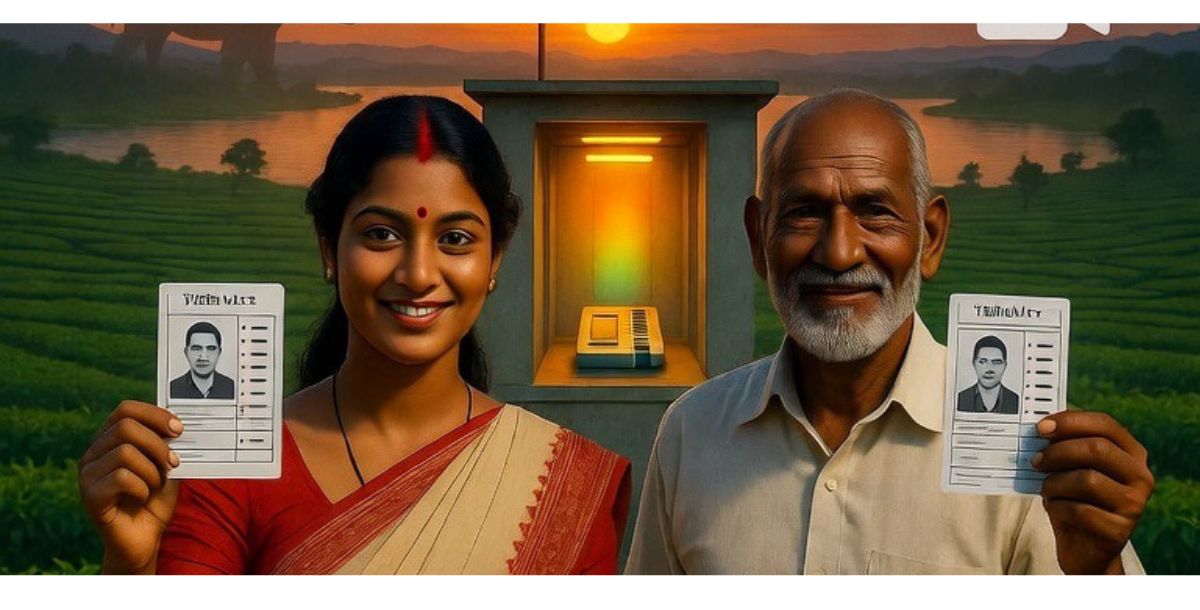
- Bring your Photo Voter ID or any of the 11 other approved identity proofs.
- Check your details on the National Voters’ Service Portal or the Voter Helpline app beforehand.
- No campaigning allowed on polling day. Maintain calm around booths.
- Live webcasting means any unusual activity can be reported immediately through official channels.
The Election Commission has also set up help desks at many stations and a robust grievance redressal system. Whether you are a young voter casting your first ballot or a senior citizen, the system is designed to make the process smooth.
Challenges and How They Are Being Tackled
Of course, no election of this size is without hurdles. Managing record turnout in a state with difficult terrain, ensuring last-mile connectivity in flood-prone districts, and maintaining peace in sensitive pockets are real tests. Officials, however, are confident. The combination of CAPF deployment, central observers, and digital monitoring is built exactly to handle these challenges.
FAQs
1. When is polling day?
April 9, 2026, in a single phase across all 126 seats.
2. How many voters and candidates?
Around 2.5 crore voters; 722 candidates contesting.
3. What makes this election special?
100% live webcasting of every polling station — a first at this scale in Assam.
4. Is security tight?
Yes. Heavy CAPF presence, state police support, and central observers ensure law and order.
5. How can I report issues?
Use the Voter Helpline, cVIGIL app, or contact the nearest polling official. Webcasting adds another layer of accountability.
Conclusion: Democracy in Action
As Assam votes tomorrow, the eyes of the entire country will be on the state. This election is more than a power shift it is a test of whether technology and planning can strengthen the world’s largest democracy. The emphasis on live webcasting is not just an administrative detail; it is a powerful step towards rebuilding public trust.
For millions of Assamese voters from bustling Guwahati streets to quiet villages in the Brahmaputra valley April 9 is a chance to shape the future. Development projects, cultural identity, better roads, education, healthcare, and jobs are on the line.
The Election Commission has done its part: arrangements are complete, technology is ready, security is in place. Now the stage belongs to the people.
Tomorrow, when you step out to vote, remember this: your ballot is being watched not just by officials, but by a transparent digital system designed to protect it. That is the unique promise of Assam Assembly Elections 2026.Go vote. Your voice will decide Assam’s next chapter and set an example for the rest of the country.







Leave a Reply