
Assam’s connectivity push is no longer a promise on paper. It is visible on the ground in new bridges cutting across the Brahmaputra, modern river terminals reshaping transport, and highways reaching places once considered too remote to matter. At a moment when the Northeast is becoming strategically vital for trade, tourism and security, Assam’s connectivity push has taken on fresh urgency.
A recent special programme by DD News Guwahati, titled “A for Assam,” captures this shift in real time. More than a showcase of infrastructure, the series explains why Assam’s connectivity push matters now and how it could redefine the state’s role in India’s economic map.
Assam at the Center of a Bigger National Plan
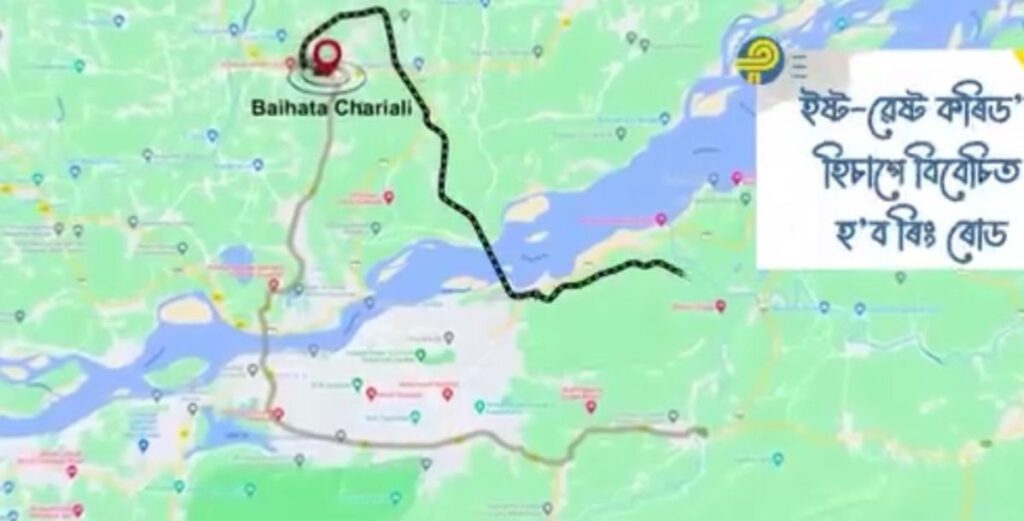
For decades, geography was Assam’s biggest challenge. Rivers, floods and difficult terrain slowed movement and raised costs. Today, the same geography is becoming an advantage. With India looking eastward under the Act East policy, Assam’s connectivity push positions the state as the natural gateway to the entire Northeast and beyond.
Officials and planners increasingly describe connectivity not as development alone, but as strategy linking markets, people and security interests through faster, more reliable transport networks.
Inside the ‘A for Assam’ Series
DD News Guwahati’s “A for Assam” focuses on infrastructure growth over the past few years, particularly under Chief Minister Himanta Biswa Sarma. The programme highlights how roads, bridges, railways, air routes and inland waterways are being planned together, not in isolation.
This integrated approach is central to Assam’s connectivity push. Instead of relying only on highways, the state is strengthening multiple transport modes to reduce pressure on roads and improve efficiency.
Gateway of Guwahati and the Riverway Revival
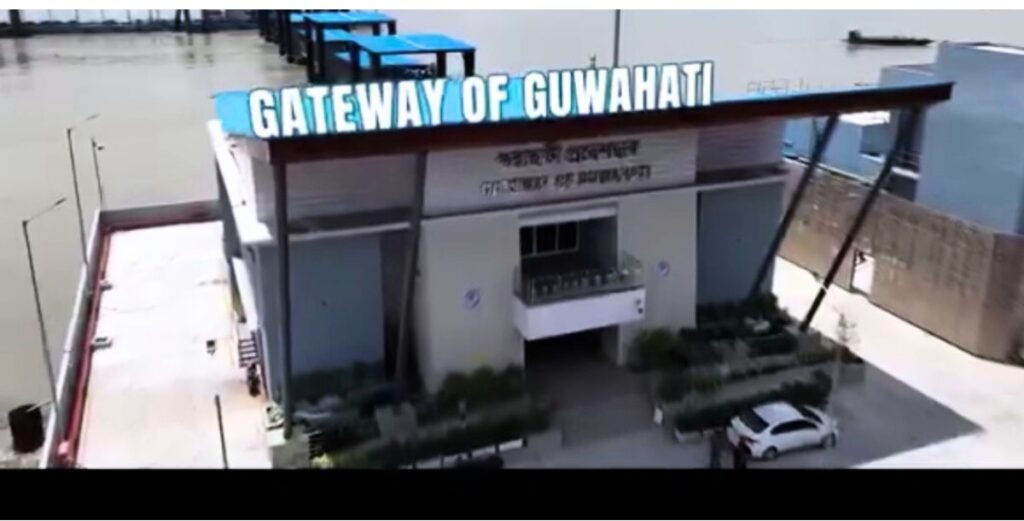
One of the most striking symbols of Assam’s connectivity push is the Gateway of Guwahati. The modern river terminal on the Brahmaputra supports passenger ferries and inland cargo vessels, signaling a renewed focus on waterways.
Transport experts point out that inland water transport can be 30–40 percent cheaper than road freight over long distances. For Assam, crisscrossed by one of India’s longest rivers, this is a practical advantage.
For traders, commuters and logistics operators, the impact is immediate: lower costs, smoother movement and reduced congestion on highways. For the environment, it means lower fuel consumption and fewer emissions an increasingly important factor in infrastructure planning.
Bridges That Change Daily Life
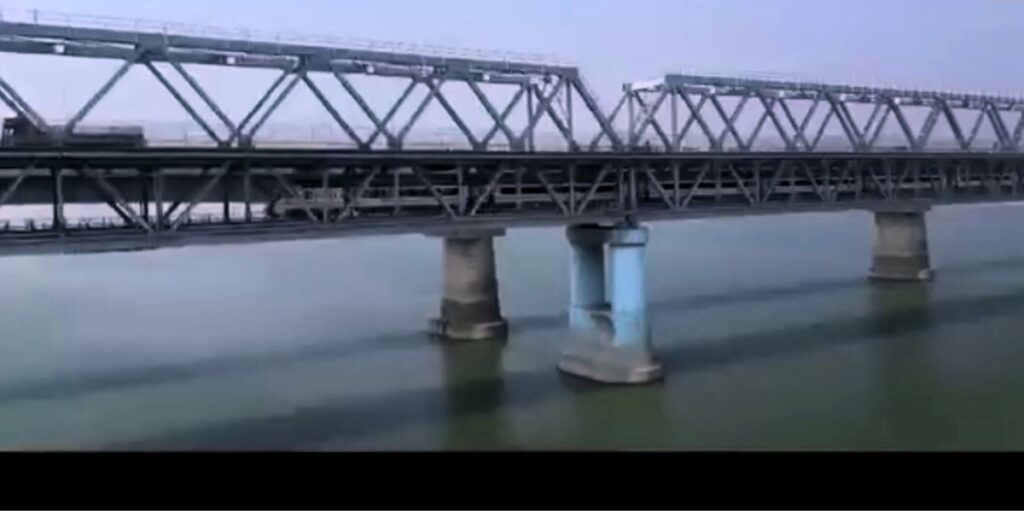

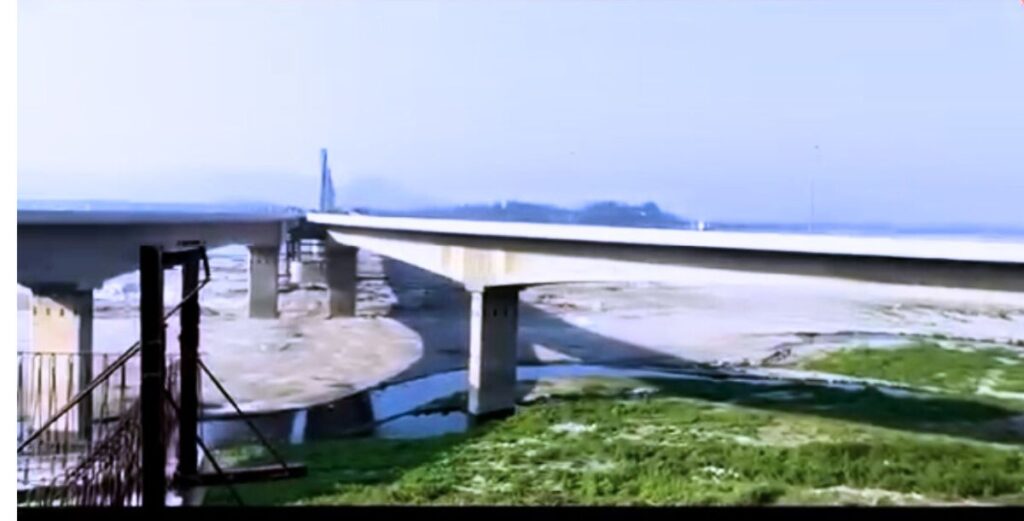
Perhaps the most tangible impact of Assam’s connectivity push is seen in its bridges. New cable-stayed and steel bridges across the Brahmaputra have replaced dependence on time-bound ferry services.
Where crossing the river once took hours, journeys are now measured in minutes. Students reach colleges faster, farmers access markets more easily, and emergency services move without delay. These are everyday gains that rarely make headlines but fundamentally alter quality of life.
Officials say such bridges also ensure year-round connectivity, even during monsoons when ferry services are disrupted.
Roads Reaching the Last Mile
Highway expansion remains a key pillar of Assam’s connectivity push. Upgraded roads now link interior villages, tea garden belts and border districts that were earlier cut off during floods or poor weather.
Beyond economic benefits, these roads carry security significance. Faster access helps disaster response during floods and improves mobility for security forces in sensitive border and forest areas. Importantly, planners are increasingly incorporating wildlife corridors and eco-sensitive designs, reflecting a more balanced approach to development.
What the Current Expansion Reveals
Taken together, recent updates and visuals from “A for Assam” point to a clear pattern in Assam’s connectivity push:
- Multiple major bridges completed or nearing completion
- National highways expanded across key districts
- Modern river terminals operational along the Brahmaputra
- Rail and air connectivity strengthening regional trade
- Growing emphasis on multi-modal logistics
The goal, according to officials, is to reduce transport delays and position Assam as the logistical backbone of the Northeast.Timing is crucial. As Northeast India gains national attention, Assam’s ability to move people and goods efficiently becomes central to the region’s growth.
The impact cuts across sectors
- Jobs: Improved connectivity attracts industries and logistics hubs.
- Tourism: Faster access boosts travel to Kaziranga, Majuli and Guwahati.
- Business: Lower freight costs help tea, oil and agricultural exports.
- Disaster Management: Quicker evacuation and relief save lives during floods.
Infrastructure analysts note that sustained investment under Assam’s connectivity push could add significantly to regional GDP over time.
Real-World Impact in Numbers
On the ground, the gains are measurable. Travel times have dropped by up to 50–70 percent on certain routes. Inland waterways are reducing fuel use, while multi-modal transport is easing supply chain bottlenecks. These changes may appear technical, but they directly affect daily life and long-term growth.
Assam’s connectivity push is still unfolding, but its direction is clear. Steel bridges, river ports and highways are quietly building the foundation of a stronger Northeast economy.The message from “A for Assam” is unmistakable: connectivity is not an end in itself. It is the means through which opportunity flows.
As projects gather pace, Assam is no longer on the margins of India’s growth story. Through its connectivity push, the state is steadily moving toward the center of it.
FAQ
1.What is Assam’s connectivity push?
It is a coordinated effort to strengthen roads, bridges, rail, air and inland waterways across the state.
2.Why is the Brahmaputra important for connectivity?
The river enables low-cost, eco-friendly transport for passengers and cargo.
3.How does this help ordinary people?
Shorter travel times, better access to services and improved job opportunities.
4.Is this linked to national policy?
Yes, it supports India’s Act East policy and regional trade goals.
Conclusion
Assam’s connectivity push is reshaping more than transport routes it is reshaping expectations. With every bridge and river terminal, the state moves closer to becoming the Northeast’s true gateway. The momentum is real, and its impact is only beginning to be felt.





Leave a Reply