

Writer by finbuzzindia 03.03.2026 Time 11.00 Am Published
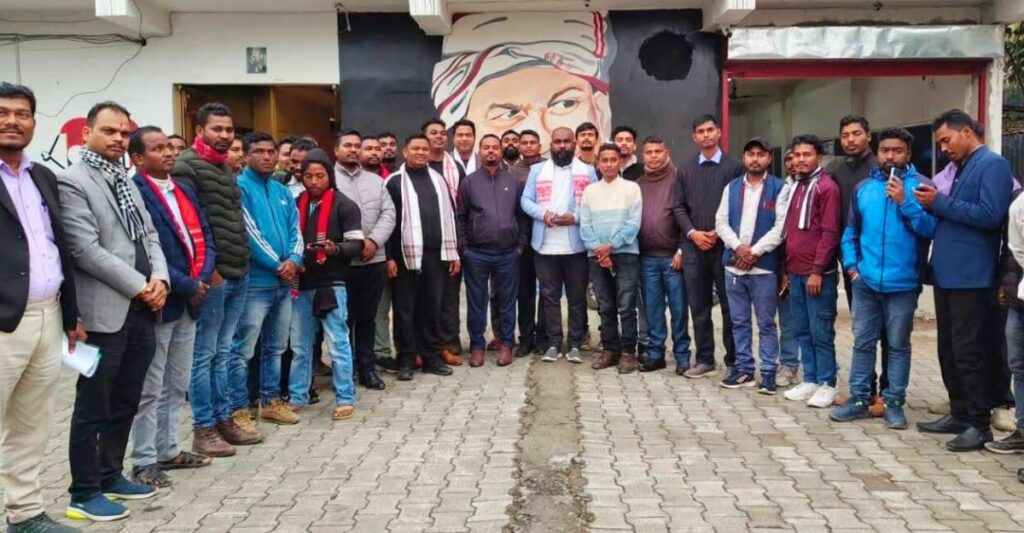
the bustling yet understated lanes of Dibrugarh, a closed-door meeting recently took place that could quietly redefine the future of tribal rights in Assam. Far from the glare of national headlines, the Central Committee of the All Adivasi Students’ Association of Assam (AASAA) sat with its district leadership to confront the most pressing challenges facing indigenous communities in Upper Assam.
This was not another routine gathering filled with slogans and speeches. Instead, the Dibrugarh meeting focused on practical, ground-level realities land insecurity, education gaps, the daily struggles of tea garden workers, and the slow erosion of tribal culture. For thousands of families living in the tea belts and forested fringes of eastern Assam, the outcome of this single meeting carries the potential to shift from symbolic activism to structured, policy-driven change.
Assam’s tribal communities have long navigated a complex web of economic pressure, bureaucratic hurdles, and cultural challenges. Rising migration of youth, unclear land records, and limited access to quality education have created a cycle that many families find difficult to break. The Dibrugarh meeting acknowledged these realities head-on and marked a noticeable shift toward strategic advocacy.
Education: Moving Beyond Enrollment to Real Opportunity
Education emerged as one of the strongest pillars of discussion during the Dibrugarh meeting. Leaders noted that while school enrollment numbers have improved in many tribal areas, mere access is no longer enough. Students often face poor infrastructure, lack of career guidance, and financial barriers that prevent them from pursuing higher studies or competitive examinations.
The meeting stressed the need for skill-based education directly linked to employability. By connecting classrooms to local job markets especially in emerging sectors like tourism, agribusiness, and digital services tribal youth could gain genuine economic independence. If the resolutions from the Dibrugarh meeting translate into targeted programs, entire generations could see reduced dependency and wider professional pathways. For a region where tea gardens still dominate the economy, this focus on education reform is both timely and transformative
Land Rights: The Foundation of Security and Dignity
Few issues stir deeper emotion among Assam’s tribal families than land. During the Dibrugarh meeting, participants examined in detail the persistent problems of land documentation, ownership disputes, and legal vulnerabilities. For indigenous communities, land is far more than property it is identity, livelihood, and generational inheritance.
Unclear records and bureaucratic delays continue to expose households to uncertainty and displacement risks. The meeting highlighted the urgent need for stronger legal awareness campaigns and collective representation. Should follow-up mechanisms emerge from this Dibrugarh meeting, thousands of tribal families could finally navigate government offices and courts with greater confidence. Strengthening tribal land rights in Assam is not just a policy goal; it is the bedrock of long-term dignity and stability.
Tea Workers: Addressing a Decades-Old Struggle
The Dibrugarh meeting also brought renewed attention to the welfare of tea garden workers and surrounding villages. Generations of workers have contributed to Assam’s world-famous tea industry, yet many still battle low wages, inadequate housing, limited healthcare, and poor educational facilities for their children.
Leaders made it clear that labour rights and tribal rights are inseparable. By placing tea workers’ issues at the centre of discussions, the meeting signalled a holistic approach that combines economic justice with community development. Concrete steps discussed included better wage structures, improved healthcare access, and skill-training initiatives that could uplift entire villages.
Cultural Preservation: Protecting Identity in a Changing World
Beyond economics and land, the Dibrugarh meeting addressed a quieter but equally vital concern the preservation of tribal languages, traditions, and cultural heritage. Urbanisation and digital influences are gradually distancing younger generations from their roots.
Participants agreed that cultural erosion weakens the collective voice of indigenous communities. The meeting proposed community-led initiatives to revive and teach tribal languages and customs, viewing cultural strength as essential for unity and effective advocacy. In Upper Assam’s diverse tribal belts, such efforts could help maintain a proud identity while equipping youth to thrive in modern India.
Building Stronger Organisation for Lasting Impact
A key takeaway from the Dibrugarh meeting was the emphasis on disciplined organisation. Rights movements succeed when they are coordinated, consistent, and backed by clear communication between central and district units. Leaders exchanged practical ideas on strengthening networks, preparing formal memorandums, and launching awareness drives.
The real test of this gathering, however, lies in implementation. Communities across Assam will now watch closely for tangible outcomes: legal assistance cells for land disputes, education outreach in tea garden areas, skill-development programmes, and stronger representation before state authorities.
Why This Dibrugarh Meeting Matters for Assam’s Future
The deeper significance of the Dibrugarh meeting lies in its tone urgent yet pragmatic, emotional yet strategic. In an era when tribal voices in Assam are increasingly informed and digitally connected, such structured advocacy can build credibility and deliver results.
While the meeting itself may not have made front-page news, it has set higher expectations among tribal families. Whether it becomes a true turning point depends on sustained follow-through. Yet one thing is already clear: the conversation in Dibrugarh has moved indigenous rights discourse in Assam from protest to planning.
For the youth of these communities, the message is powerful. Participation, awareness, and organised action matter more than ever. As Assam continues its journey of development, the success of initiatives born from this Dibrugarh meeting could ensure that tribal communities are not left behind but are empowered to shape their own destiny.The coming months will reveal whether this closed-door gathering was merely another meeting or the quiet beginning of a new chapter in the story of tribal rights in Assam.
FAQ
1.What was the main focus of the Dibrugarh meeting?
Land rights, education reform, tea workers’ welfare, cultural preservation, and political organization.
2.Why is land such a critical issue?
Land ownership determines economic security, legal stability, and long-term dignity for tribal families.
3.Will this meeting lead to immediate policy changes?
Not immediately. Impact depends on follow-up action and structured engagement with authorities.
Conclusion
The Dibrugarh meeting may not have made headlines across the state, but for many tribal families, it represents something meaningful recognition.
Recognition of land insecurity.
Recognition of education gaps.
Recognition of tea workers’ struggles.
Whether it becomes a turning point depends on what happens next. But one thing is certain: the Dibrugarh meeting has set expectations higher and communities will be watching.

Leave a Reply