
Writer by sanjoy 13.04.2026 Time 7.30 PM Published
Khowang Toll Plaza Near Dibrugarh Approved: Development Boost or Daily Burden?
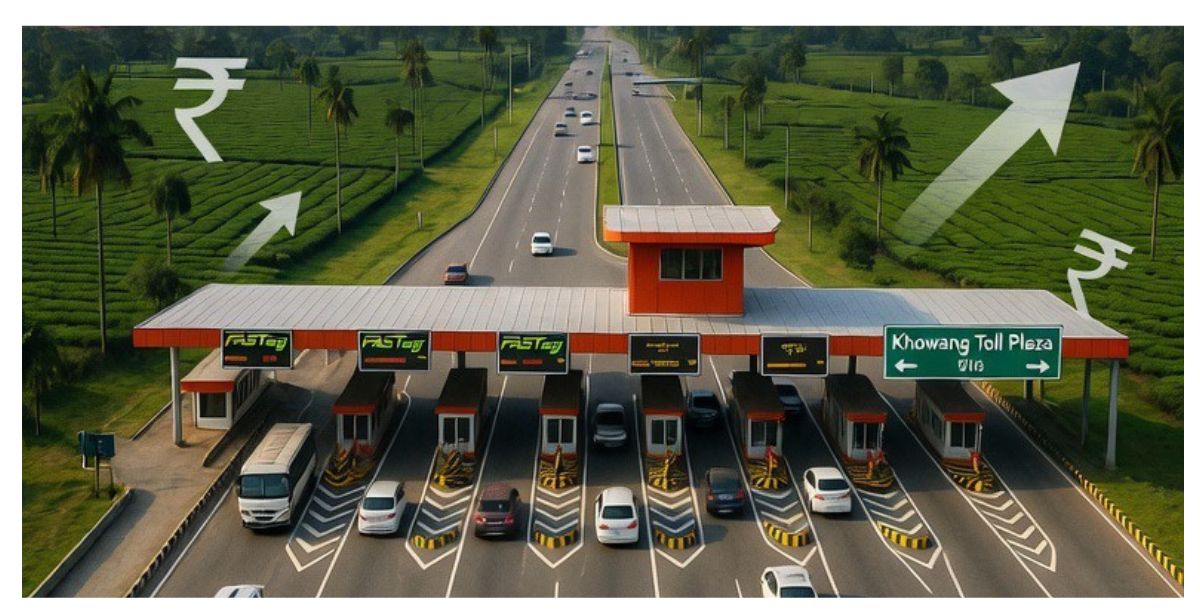
A new toll plaza at Khowang, close to Rongalau Bazaar in Dibrugarh district, is set to reshape travel on one of Assam’s busiest highways. The Ministry of Road Transport and Highways has officially approved the project, along with new toll gates at Biswanath (Ratua), Gohpur, and between Jhanji and Demow. This comes just months after Dergaon and Kaliabor toll plazas became operational in January 2026, bringing the state’s total to 12.
For thousands of daily commuters, students, small traders,and transport operators on the Guwahati–Dibrugarh corridor,the news feels personal.Will better roads justify the extra cost,or will it add to the burden of already high fuel and living expenses?Here’s a clear, balanced look at what the Khowang toll plaza means for you in 2026.
Key Highlights
- Khowang Toll Plaza approved near Rongalau Bazaar (between Khowang and Lepetkata/Dulia) on the Dibrugarh route.
- New toll gates also cleared at Biswanath (Ratua), Gohpur, and Jhanji–Demow.
- Part of a long-term plan for up to 27 toll gates along the Sadiya–Dhubri corridor.
- Toll fees across Assam revised upward (4-5%) effective April 1, 2026.
- Construction at Khowang is already in progress, with visible work near Rongalau Bazaar.
- Government focus: Road maintenance, safety, and faster digital tolling via FASTag.
What Has Been Approved and Why Now?
The Khowang toll plaza is not an isolated decision.It forms part of the National Highways Authority of India (NHAI)’s broader strategy to modernise and fund Assam’s expanding highway network.The Sadiya–Dhubri corridor, a vital east-west lifeline,will eventually feature up to 27 toll points to ensure sustainable maintenance of four-lane and six-lane stretches.
Recent additions at Dergaon and Kaliabor in early 2026,plus the April toll fee hike, show the government’s push to keep pace with rising traffic and infrastructure needs. Officials emphasise that toll revenue will directly fund repairs, reduce potholes,improve lighting, and install advanced safety features benefits every driver on Assam’s highways has been demanding for years.
Why This Matters for Daily Commuters on the Guwahati–Dibrugarh Route
The Guwahati–Dibrugarh stretch is Assam’s economic spine. Office-goers,college students, delivery riders, and small business owners use it every single day. Adding a toll plaza at Khowang means many locals will now cross multiple toll points even on short or routine trips.
Imagine a daily commuter from Dibrugarh to Moran or Lepetkata: previously one or two tolls might have sufficed.Now, with Khowang coming up and existing plazas nearby (including concerns about another near Bogibeel Bridge), the frequency of payments increases. For a car or two-wheeler owner, even modest per-plaza charges (typically ₹50–150 for light vehicles, depending on final rates) can add up to several hundred rupees monthly.
Public sentiment on local platforms already reflects frustration many call it “toll fatigue” when plazas appear within 15–20 km of each other. Yet, supporters argue that smoother, safer roads will eventually save on vehicle maintenance and fuel.
Real Impact on Transport Operators and Local Businesses
Transport companies plying the Guwahati–Dibrugarh route will feel the pinch first. Higher operational costs (fuel + maintenance + new tolls) usually get passed on to passengers and customers. Expect:
- Slightly higher bus and shared taxi fares
- Increased delivery and logistics charges for e-commerce and essential goods
- Marginal rise in prices of vegetables, fish, and daily supplies reaching Dibrugarh markets
Small traders who move goods between Upper Assam towns are particularly worried. A 2026 tollguru estimate already puts Guwahati–Dibrugarh car tolls at ₹340–400 with existing plazas; additional gates could push this higher. For businesses already navigating thin margins, every extra rupee counts.
Government’s Vision: Better Roads, Safer Journeys, Stronger Economy
NHAI and state authorities insist this is an investment, not a burden. Key promised benefits include:
- Faster travel times through reduced congestion and better road quality
- Fewer breakdowns and lower long-term vehicle repair costs
- Improved safety with modern signage, barriers, and emergency response
- Digital convenience via FASTag, cutting waiting time at plazas to seconds
The long-term goal is clear: transform Assam’s highways into world-class corridors that attract investment, boost tourism, and create jobs.The Sadiya–Dhubri corridor connects remote areas to markets, supporting everything from tea gardens to oil and gas sectors.
Reactions are understandably divided. Many Dibrugarh residents welcome smoother roads but question the timing and density of tolls. Daily wage earners and students feel the pinch most. Social media groups in Dibrugarh and Moran are buzzing with calls for local vehicle exemptions, monthly passes, or longer gaps between plazas.
On the other side, frequent long-distance travellers say they are ready to pay for reliable infrastructure—especially after years of monsoon damage and slow repairs.
Development vs Affordability: Finding the Right Balance
This debate is not unique to Assam. Across India, new toll plazas spark the same discussion: how do we fund world-class roads without overburdening ordinary citizens?Experts suggest practical solutions:
- Transparent toll-rate announcements well in advance
- Local exemptions or discounted monthly FASTag passes for residents within 20–30 km
- Clear communication on how toll revenue is spent (road-wise reports)
- Phased implementation with proper signage and awareness campaigns
If executed thoughtfully, the Khowang toll plaza could become a model for balancing progress with people’s needs.
The project is in the approved and construction phase. Exact toll rates, operation start date, and any exemptions are yet to be notified officially. NHAI is expected to release detailed guidelines soon, including:
- Final toll charges for different vehicle categories
- Likely launch timeline (possibly later 2026)
- FASTag integration and digital payment options
Locals and transporters should keep an eye on official NHAI and Assam government updates.
Assam is at a turning point. World-class highways can unlock economic potential, reduce travel time between major cities, and position the state as a Northeast gateway. The Khowang toll plaza is a small but significant piece of that larger puzzle.
The real success will depend on execution ensuring roads actually improve, revenue is used transparently, and public concerns are addressed. When development truly benefits everyday citizens, support follows naturally.
FAQs
1. Where exactly is the Khowang toll plaza?
It is being built near Rongalau Bazaar in the Dibrugarh region, between Khowang and Lepetkata/Dulia.
2. Why is the toll plaza being introduced?
To generate funds for highway maintenance, upgrades, safety improvements, and overall infrastructure development.
3. Will it increase travel costs?
Yes, regular commuters and transporters may face additional charges, though FASTag will make payments quicker.
4. Are more toll plazas coming to Assam?
Yes. Several new gates are planned, with a long-term vision of up to 27 along the Sadiya–Dhubri corridor.
5. Who will manage the Khowang toll plaza?
The National Highways Authority of India (NHAI) will oversee operations, with FASTag as the primary payment method.
Conclusion
The approval of the Khowang toll plaza near Dibrugarh marks another milestone in Assam’s infrastructure journey.It promises safer, smoother, and more reliable highways but also brings immediate questions about affordability for daily users.
As construction advances and more details emerge, the focus must remain on transparent implementation and genuine public benefit.For now, commuters in Dibrugarh and across Upper Assam are watching closely.Better roads are welcome; the challenge is ensuring the journey remains affordable for everyone who travels them every day.






Leave a Reply