
In Assam’s tea gardens, where generations of women have quietly carried both families and the economy on their shoulders, motherhood has long come with risk. Pregnancy often meant choosing between health and wages a choice no woman should have to make.
That reality is now shifting.The Tea Garden Wage Compensation Scheme is emerging as one of Assam’s most meaningful social interventions, directly linking maternal health with income security. For thousands of tea garden workers, this policy is not just financial assistance it is protection, dignity, and a safer future.
Maternal health remains a critical concern in India, especially in labour-intensive rural sectors. Tea garden communities in Assam have historically recorded higher maternal risks due to poor nutrition, limited healthcare access, and the compulsion to continue heavy work during pregnancy.
What makes this moment significant is evidence. The impact of the scheme is measurable, visible, and deeply human at a time when public trust in welfare delivery depends on real outcomes, not promises.
What Is the Tea Garden Wage Compensation Scheme?
The Tea Garden Wage Compensation Scheme is a state-backed welfare initiative aimed specifically at pregnant women employed in registered tea estates across Assam.
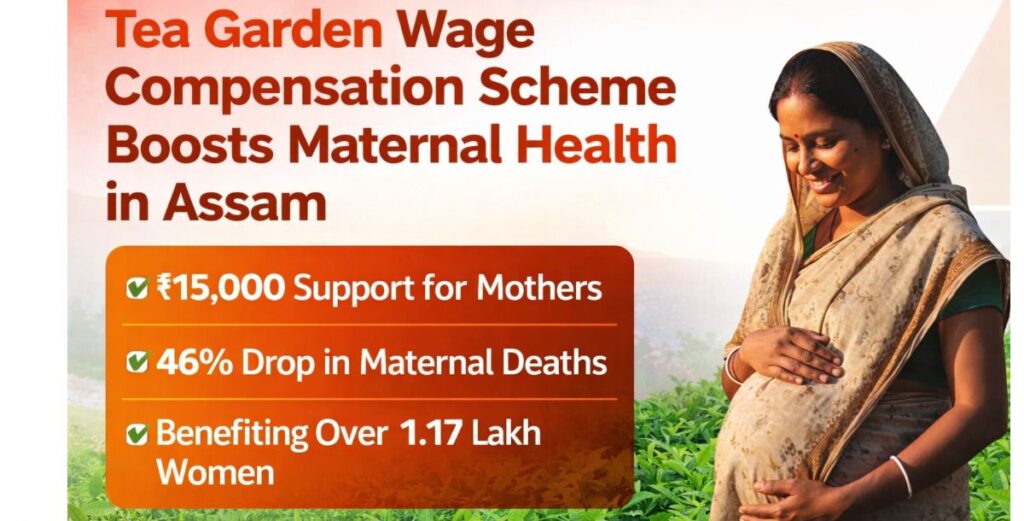
Under the scheme, eligible women receive ₹15,000 as wage compensation during pregnancy. This support allows expectant mothers to take rest, attend medical check-ups, and avoid income loss during the most vulnerable months.Unlike generic cash transfers, this program is built around one idea: safe motherhood cannot exist without economic security.
A Long-Standing Problem Finally Addressed
For decades, women in tea gardens worked through late-stage pregnancies because missing work meant losing daily wages. Many returned to physically demanding labour shortly after childbirth, increasing health risks for both mother and child.
Healthcare workers in tea belt regions have consistently flagged these issues, but solutions remained fragmented. The Tea Garden Wage Compensation Scheme directly addresses the root cause wage dependency during pregnancy.By easing financial pressure, the scheme enables women to prioritize health without fear.
The Impact: Numbers That Tell a Deeper Story
The results so far underline the importance of this intervention.Official data shows
- Over 1.17 lakh women have benefited
- Maternal mortality has declined by 46% in targeted areas
- Institutional deliveries and antenatal care visits have risen sharply
Behind these figures are thousands of safer births and families spared preventable tragedy. Public health experts note that improving maternal outcomes has long-term effects on child nutrition, education, and community stability.
How the Scheme Works on the Ground
The Tea Garden Wage Compensation Scheme is implemented through coordination between health departments, district administrations, and tea estate authorities.Key elements include
- Direct benefit transfer to eligible beneficiaries
- Mandatory health check-ups during pregnancy
- Strong encouragement for institutional deliveries
- Simplified documentation to ensure access
This structure minimizes delays and ensures benefits reach women when they need them most.
Why Experts Call This a Model Policy
What distinguishes the Tea Garden Wage Compensation Scheme from earlier welfare efforts is its integrated design. It does not treat health and income as separate challenges.
Policy experts describe it as a “health-first wage support model one that acknowledges the economic realities of daily-wage workers while prioritizing medical safety.Many believe this approach could be replicated in other sectors such as construction, agriculture, and informal manufacturing, where women face similar vulnerabilities.
What This Means for Assam’s Tea Communities
Tea gardens are more than workplaces; they are entire ecosystems supporting families across generations. Strengthening maternal health within these communities has ripple effects
- Healthier mothers lead to healthier children
- Reduced maternal deaths improve social stability
- Trust in public healthcare systems grows
The Tea Garden Wage Compensation Scheme is gradually reshaping how welfare is experienced not as charity, but as a right
Officials indicate that the scheme’s coverage will continue expanding, with closer monitoring to ensure timely payments and healthcare access.The focus going forward will be on
- Reaching women in remote tea estates
- Strengthening last-mile healthcare delivery
- Ensuring no eligible mother is left out
For women who have long worked unseen, consistency will matter as much as intent.
FAQs
1.Who is eligible for the Tea Garden Wage Compensation Scheme?
Pregnant women working in registered tea gardens in Assam who meet eligibility guidelines.
2.How much support does the scheme provide?
₹15,000 as wage compensation during pregnancy.
3.How has maternal mortality reduced?
By enabling rest, healthcare access, and institutional deliveries without wage loss.
4.Is the scheme available outside Assam?
No, it currently applies only to Assam’s tea garden regions.
Conclusion
The Tea Garden Wage Compensation Scheme shows what focused governance can achieve when policy listens to lived reality.By protecting mothers, reducing maternal deaths, and restoring dignity to pregnancy, Assam has taken a decisive step toward inclusive development.
In the quiet rows of tea gardens, a healthier generation is beginning one mother at a time.more realtive news visit our site





Leave a Reply