Writer by sanjoy gorh 04.03.2026 time 10.00 AM Pubished
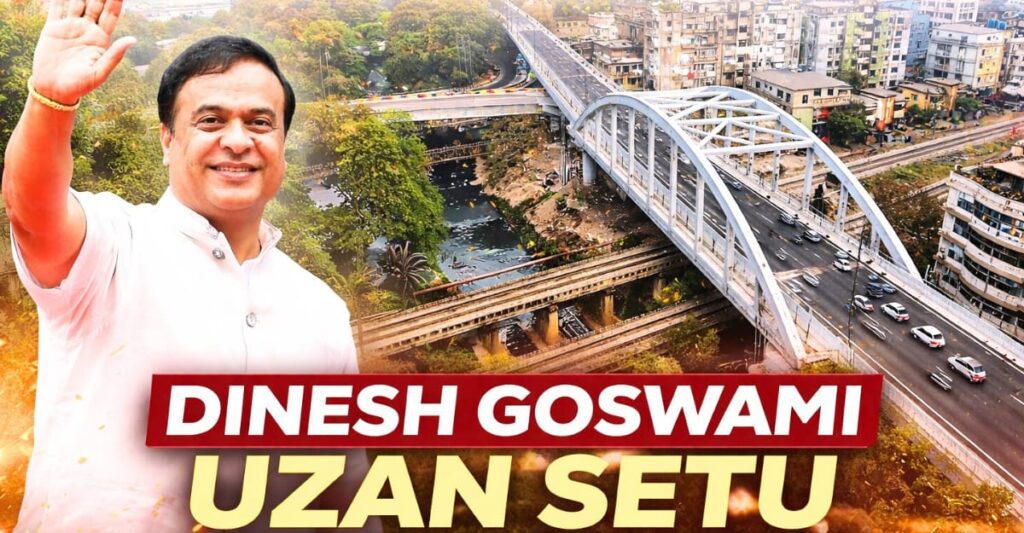
For years, the daily grind for thousands of Guwahati residents began and ended at the railway crossings near Uzan Bazar. Office-goers, schoolchildren, delivery riders, and emergency vehicles sat idling as trains rumbled past, turning a five-minute stretch into a 30-minute ordeal. Horns blared, tempers flared, and productivity slipped away with every passing minute. On March 4, 2026, that frustration finally met its match. Assam Chief Minister Himanta Biswa Sarma inaugurated the Dinesh Goswami Uzan Setu, a modern 1.05-kilometre rail overbridge that promises to transform one of the city’s most notorious bottlenecks into a smooth, uninterrupted corridor.
This is more than just another infrastructure project. The Dinesh Goswami Uzan Setu represents a direct response to the explosive growth Guwahati has witnessed in the past decade. Vehicle numbers have skyrocketed, commercial activity has boomed, and what were once sleepy neighbourhoods have become vital arteries connecting the heart of the city. Yet the railway line slicing through Uzan Bazar remained an unrelenting choke point. Level crossings meant sudden halts, long queues on both sides, and frequent near-misses. The new overbridge changes everything by lifting traffic above the tracks, allowing seamless flow even when trains pass below.
The project carries a total cost of over ₹99 crore, with ₹42.5 crore contributed by the Indian Railways and ₹56.5 crore by the Assam government. Completed ahead of schedule, the bridge features improved safety standards, durable construction, and gentler gradients designed to handle heavy daily traffic. Named in honour of former Union Law and Justice Minister Dinesh Goswami – a respected Assamese leader who served in the V.P. Singh government, represented Guwahati in the Lok Sabha, and was known for his integrity and public service – the structure carries both functional and symbolic weight. Goswami’s legacy of dedication to governance now stands as a literal bridge connecting Guwahati’s past aspirations with its present ambitions.
Immediate Relief for Daily Commuters
Commuters are already celebrating the most tangible benefit: time saved. Official estimates shared during the inauguration suggest drivers can now shave off 20 to 30 minutes per trip. For someone making two journeys daily, that adds up to nearly an hour of reclaimed life – time better spent with family, at work, or simply avoiding the stress of peak-hour chaos. Taxi drivers expect faster turnarounds, shopkeepers anticipate smoother customer footfall, and parents can look forward to more predictable school runs.
Beyond convenience, the Dinesh Goswami Uzan Setu delivers measurable safety and environmental gains. Level crossings are inherently dangerous; removing direct vehicle-rail interaction drastically reduces accident risks. Less idling at gates also means lower fuel consumption and reduced emissions – a welcome development for a city battling rising air pollution concerns. In an era where sustainable urban growth is non-negotiable, this rail overbridge sets a practical example of green infrastructure in action.
Economic Boost for Northeast India’s Gateway
The economic ripple effects extend far beyond individual commutes. Guwahati serves as the economic gateway to India’s Northeast. Faster connectivity supports small businesses, logistics networks, and commercial transport that rely on timely movement through central areas. Urban planners note that projects like the Dinesh Goswami Uzan Setu are essential if the city is to evolve from a transit point into a true regional hub. With Assam’s broader infrastructure push – including multiple flyovers, underpasses, and road-widening initiatives – this bridge forms part of a comprehensive decongestion strategy led by the state government.
Experts emphasise that infrastructure alone cannot solve every problem. Responsible driving, better public transport options, and continued urban planning reforms must go hand in hand. Authorities have urged motorists to observe speed limits on the elevated stretch, respect lane discipline, and allow a short adjustment period as traffic patterns stabilise in the coming weeks. Early feedback from locals, however, is overwhelmingly positive, with many describing the change as “long overdue” and “a game-changer for daily life.”
Honouring a Legacy While Building the Future
Dinesh Goswami, who passed away in 1991, remains remembered as a principled parliamentarian from Assam who bridged regional and national politics. By naming this vital piece of urban infrastructure after him, the government not only pays tribute to his contributions but also reminds citizens that progress in the Northeast is deeply rooted in the vision of its leaders. The Dinesh Goswami Uzan Setu stands as proof that thoughtful governance can deliver results that people feel in their everyday routines.
As Guwahati continues its rapid transformation, this rail overbridge symbolises more than steel and concrete. It represents fewer anxious glances at the clock, less fuel wasted in traffic, and a stronger sense of momentum for a city on the rise. For residents who have endured years of railway-gate delays, the message is clear: progress is finally arriving where it matters most – right in the heart of daily life.
In the coming months, the true impact of the Dinesh Goswami Uzan Setu will unfold as traffic data is analysed and user experiences shared. Yet one thing is already certain: Guwahati has taken a significant step toward becoming the modern, efficient Northeast hub its people deserve. The wait at the crossing is over. The future is moving freely overhead.
source of refrence
Original article from FinBuzzIndia-
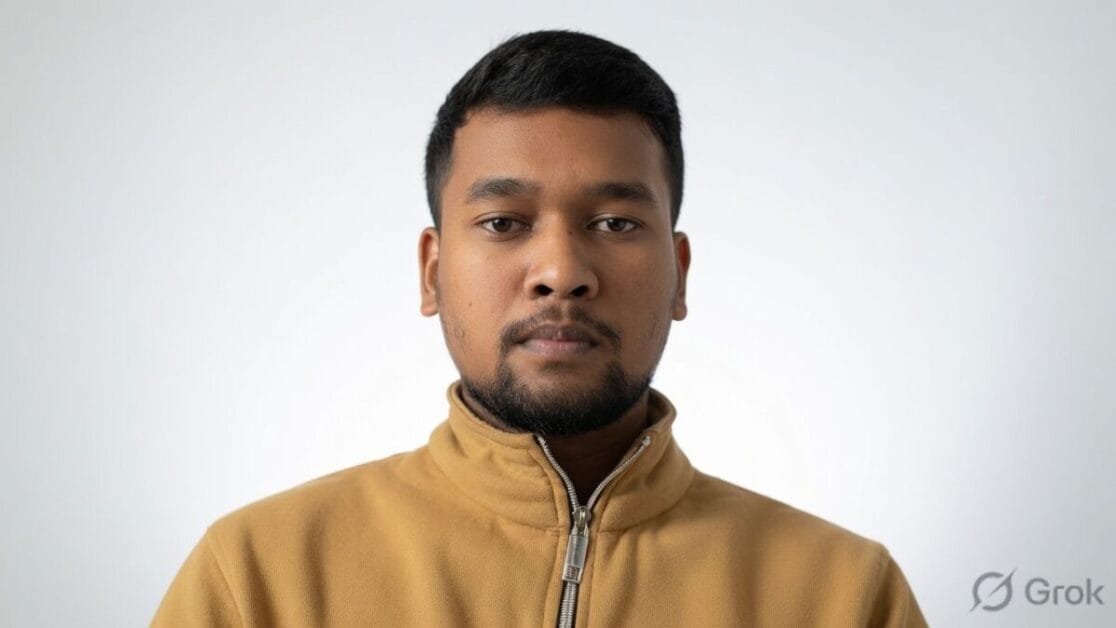
Sanjoy Gorh – Founder & Editor, FinBuzz India
Sanjoy Gorh is the founder and editor of FinBuzz India (finbuzzindia.com), an independent digital news platform delivering accurate, clear, and timely news to readers across Assam, Northeast India, and beyond.
Driven by a deep passion for digital journalism, Sanjoy launched FinBuzz India with a clear mission: to give grassroots stories the attention they deserve and bring local voices to a national stage. Hailing from Assam, he brings hands-on, on-ground experience in news reporting, content creation, and digital media management.
His editorial focus spans Assam local news, Northeast India developments, government schemes and exam updates, finance, technology and AI, business and startups, sports, and national affairs — always with an emphasis on making important topics simple, relevant, and accessible to everyday readers.
At the heart of his work lies an unwavering commitment to factual, unbiased reporting. Sanjoy believes journalism’s greatest responsibility is building reader trust, and every story published on FinBuzz India reflects that belief.
With a vision to grow FinBuzz India into the most trusted digital news voice of Northeast India, Sanjoy continues to raise the bar, one story at a time.
Connect with Sanjoy: [Twitter/Xhttps://x.com/amolgorh84648?s=11 ] | [https://www.linkedin.com/in/finbuzz-india-6b0a00307?utm_source=share_via&utm_content=profile&utm_medium=member_ios]