
Writer by finbuzzindia 18.02.2026 Time 11.00 Am Published
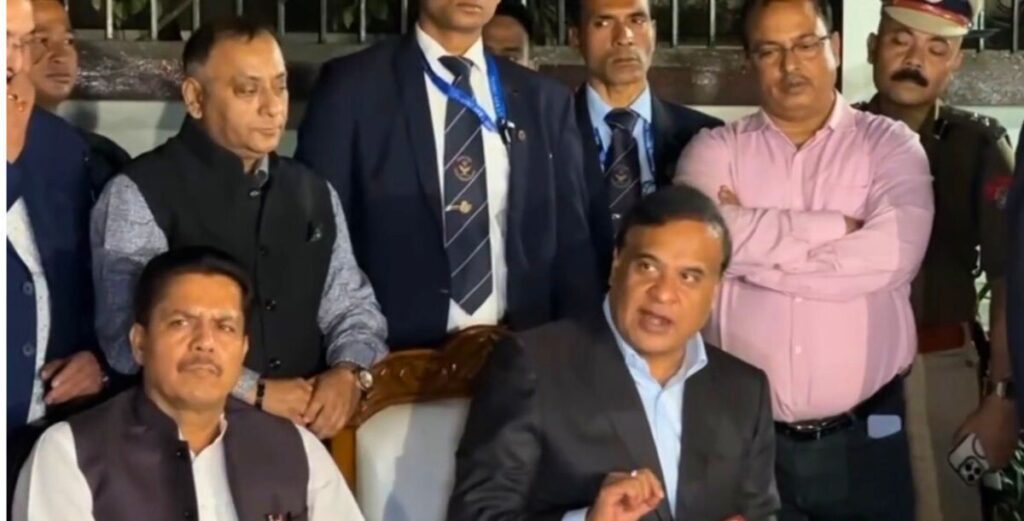
a major welfare boost ahead of Bohag Bihu, the Assam government successfully transferred ₹9,000 directly into the bank accounts of nearly 40 lakh women under the flagship Orunodoi Scheme on March 10, 2026. This one-time consolidated payment the largest single-day Direct Benefit Transfer (DBT) in the state’s history totalled over ₹3,600 crore and brought timely financial relief to economically vulnerable households across Assam.
Chief Minister Himanta Biswa Sarma announced the disbursement on International Women’s Day, emphasising the government’s commitment to women empowerment and financial inclusion. The amount comprised ₹5,000 as advance instalments for January to April 2026 and an additional ₹4,000 as a special Bohag Bihu grant. For millions of families in rural and semi-urban areas, this timely credit has eased pressure on household budgets during the festive season when expenses naturally rise. 
Understanding the Orunodoi Scheme: Assam’s Women-Centric Welfare Initiative
Launched on October 2, 2020, the Orunodoi Scheme (also known as Arunodoi) is one of Assam’s most impactful poverty alleviation programmes. The name “Orunodoi” means “dawn of a new era,” and the scheme truly aims to empower women from financially vulnerable families by placing cash directly in their hands.
Under the scheme, one eligible woman per family receives monthly financial assistance. The monthly amount has progressively increased over the years from ₹830 at launch to the current ₹1,250 per month. The recent ₹9,000 payment reflects four months of regular support plus the festive Bihu bonus, ensuring beneficiaries do not face cash-flow issues during peak seasonal spending.
The scheme now covers nearly 40 lakh beneficiaries, a significant jump from 18 lakh in its first year. It operates on a transparent DBT model, with funds transferred straight to Aadhaar-linked bank accounts, eliminating middlemen and ensuring maximum transparency.
Who Benefits and Eligibility Criteria Under Orunodoi 3.0
The Orunodoi Scheme primarily targets women from below-poverty-line families. Key eligibility criteria include:
- The woman must be from a household enrolled under the National Food Security Act (NFSA).
- Family income and asset limits as defined by NFSA guidelines.
- Priority given to widows, divorced women, unmarried women above 30, and families with disabled members or no male earning member.
- Beneficiaries must have an active, Aadhaar-seeded bank account and a registered mobile number.
The government has now rolled out Orunodoi 3.0, with fresh district-wise beneficiary lists released in early 2026. Eligible women who were previously left out are being added, while the scheme maintains strict verification to prevent duplication. 
How the ₹9,000 Payment Is Breaking Down and Helping Families
Here’s the exact breakup of the March 10 credit:
- ₹5,000 – Advance payment for four monthly instalments (January to April 2026 at ₹1,250 per month).
- ₹4,000 – Special one-time Bohag Bihu grant to support festive celebrations.
For a typical rural household, this ₹9,000 can cover:
- several weeks of essential groceries (rice, pulses, cooking oil).
- School fees, uniforms, and books for children.
- Medical expenses or medicines.
- New clothes and traditional Bihu delicacies without taking high-interest loans from local moneylenders.
Many beneficiaries have shared that the lump-sum amount reduces financial stress and boosts local economies shopkeepers, vegetable vendors, and small traders see a noticeable spike in sales during such mass transfers.
Why This Matters: Real Impact on Women’s Empowerment and Rural Economy
The Orunodoi Scheme goes beyond cash transfers. By routing money to women, it promotes financial decision-making within households and improves nutrition, health, and education outcomes for children. Studies on similar DBT programmes show that women-led spending tends to focus more on family welfare than discretionary items.
In Assam’s context, where many families depend on daily wage work or agriculture, the scheme acts as a reliable safety net. The Bihu bonus further links welfare with cultural pride, allowing families to celebrate the Assamese New Year with dignity.
How to Check Your Orunodoi Beneficiary Status in 2026
If you or someone in your family hasn’t received the credit or wants to verify eligibility under Orunodoi 3.0:
- 1. Visit the official Assam Finance Department portal or the dedicated Orunodoi website.
- 2. Enter your district, beneficiary ID, or Aadhaar number.
- 3. Check the latest district-wise lists released for Orunodoi 3.0.
- 4. Ensure your bank account is active and linked with Aadhaar and mobile number.
Beneficiaries who face any delay are advised to contact their local panchayat office or district social welfare department.
Future of Orunodoi: What’s Next?
The Assam government has indicated that the monthly assistance may see further rationalisation under Orunodoi 3.0, with some reports suggesting a possible increase to ₹1,500 per month starting later in 2026. The focus remains on expanding coverage to the remaining eligible women while maintaining fiscal discipline. 
FAQ
1.When will the ₹9,000 be credited?
March 10, as officially announced.
2.Who will receive the payment?
All registered beneficiaries under the Assam Orunodoi Scheme.
3.Is this a permanent hike?
No. ₹5,000 is advance instalment payment, and ₹4,000 is a special Bohag Bihu grant.
4.What if the amount does not reflect on March 10?
Beneficiaries should wait for district-wise processing or contact local authorities for clarification.
Conclusion
The March 10 disbursement under the Assam Orunodoi Scheme is more than a financial transaction. It reflects the scale and reach of welfare governance in Assam.For 37 lakh women, ₹9,000 arriving in their accounts could mean a smoother Bihu, fewer financial worries, and a temporary sense of security.
Now, attention shifts to execution because in public welfare, timely delivery builds trust far more than announcements ever can.




Leave a Reply