
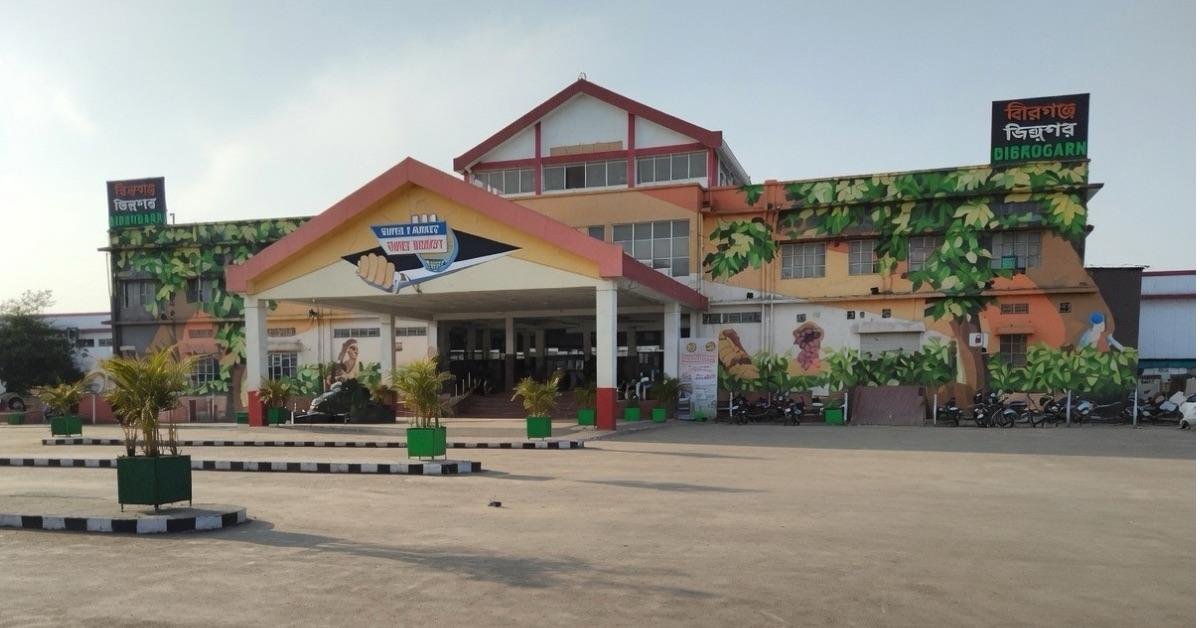
A tragic incident at Dibrugarh Railway Station has sent shockwaves across Assam after a young sanitation worker lost his life while on duty. Suman Saikia, popularly known as Chintu, a 20-year-old sanitation worker employed through a private contractor, collapsed and died while cleaning a bio-toilet of a train stationed at the Dibrugarh (Banipur) Railway Station platform. The incident has sparked outrage among locals, workers, and the victim’s family, who are now demanding justice, accountability, and financial compensation.
Who Was Suman Saikia?
Suman Saikia, affectionately called Chintu by friends and family, was just 20 years old at the time of his death. A resident of Khaniagaon, a locality near Dibrugarh in Assam, Suman was working as a sanitation worker under a private contractor assigned to cleaning duties at Dibrugarh (Banipur) Railway Station. Like many young workers from the region, he had taken up the job to support himself and contribute to his family’s livelihood.
His death has left his family and community in deep grief, raising urgent questions about worker safety, contractor accountability, and the value placed on the lives of sanitation workers employed in railway operations.
What Happened at Dibrugarh Railway Station?
On Sunday, Suman Saikia and three co-workers were assigned to clean the bio-toilet of a train stationed at the platform of Dibrugarh Railway Station. The routine cleaning task turned fatal when, shortly after the water supply to the toilet was switched on, Suman suddenly collapsed.
Co-workers who were present at the scene suspect that Suman suffered a severe electric shock during the cleaning operation. The exact sequence of events that led to the electrocution is still under investigation, but workers believe there may have been a live electrical fault in or around the bio-toilet area that came into contact with the water supply, causing the shock.
Following his sudden collapse, Suman was rushed to a nearby hospital. However, doctors declared him dead on arrival, making the Dibrugarh Railway Station sanitation worker death one of the most disturbing workplace tragedies reported in the region in recent times.
Allegations of Negligence: No PPE, No Safety Measures
The death of Suman Saikia has brought serious allegations of negligence to the forefront. Workers and locals have claimed that the private contractor responsible for employing sanitation staff at the railway station allegedly failed to provide essential personal protective equipment (PPE) to the workers.
According to allegations raised by co-workers and locals:
- Safety shoes were not provided to the sanitation workers.
- Protective gloves were absent, leaving workers vulnerable to hazards.
- Adequate safety measures and protocols were reportedly not in place for the cleaning of bio-toilets, which inherently carry risks of electrical faults, harmful gases, and chemical exposure.
In railway cleaning operations, especially involving bio-toilets in train compartments, the use of proper PPE is not optional — it is a mandatory safety requirement. The absence of even basic protective gear, such as rubber gloves and insulated shoes, could prove fatal in the event of an electrical fault, as this incident tragically demonstrates.
The allegations point to a systemic failure on the part of the contractor and possibly the supervising railway authority to ensure that workers performing hazardous cleaning tasks are adequately protected.
Emergency Response Failures: Worker Taken to Hospital on Scooter
Adding to the tragedy was a serious lapse in emergency response at the railway station. Locals and co-workers have alleged that no ambulance was immediately available at Dibrugarh Railway Station at the time of the incident.
As a result, Suman’s critically injured body was reportedly transported to the hospital by his co-workers on a scooter — a deeply distressing image that highlights the failure of emergency infrastructure at one of Assam’s key railway stations. The absence of timely medical assistance may have also played a role in the outcome, though doctors confirmed he was brought in dead on arrival.
The lack of an ambulance at a busy railway station raises serious concerns about the emergency preparedness and safety infrastructure maintained by railway authorities.
Family and Locals Demand Justice and ₹50 Lakh Compensation
Following the news of Suman Saikia’s death, family members and local residents gathered at the hospital, demanding justice for the deceased young worker. The atmosphere was charged with grief and anger as the community called for accountability.
The key demands raised by the family and locals include:
- A thorough and transparent investigation into the exact cause of Suman Saikia’s death, including whether the contractor’s negligence directly contributed to the fatal incident.
- ₹50 lakh compensation for the bereaved family, in recognition of the loss of their young breadwinner and the circumstances under which he died.
- Accountability for the private contractor who allegedly failed to provide proper safety equipment.
- Improved safety standards and mandatory PPE for all sanitation workers employed at railway stations across Assam and India.
Police Investigation Underway: Cause of Death Yet to Be Confirmed
Following the incident, police have launched a formal investigation into the Dibrugarh Railway Station sanitation worker death. However, as of the latest reports, the exact cause of death has not been officially confirmed by authorities.
While co-workers and eyewitnesses strongly suspect electrocution due to a fault triggered when the water supply was switched on in the bio-toilet, the final determination will depend on the outcome of the investigation, post-mortem findings, and any forensic examination of the site.
Authorities are expected to investigate whether an electrical fault, improper grounding, or another technical failure in the train’s bio-toilet system was responsible. The role of the private contractor in ensuring — or failing to ensure — worker safety will also likely come under scrutiny.
Safety of Sanitation Workers in India
The death of Suman Saikia is not an isolated tragedy. It reflects a broader, deeply troubling pattern across India where sanitation workers — some of the most essential yet most vulnerable members of the workforce — continue to face life-threatening risks on the job.
Whether it is manual scavenging in sewers, cleaning of railway bio-toilets, or hazardous waste disposal, sanitation workers frequently operate without adequate PPE, training, or safety oversight. Contractors often cut corners on safety to maximize profits, while regulatory enforcement remains inconsistent.
The Dibrugarh Railway Station sanitation worker death is a grim reminder that workplace safety cannot be an afterthought. Every worker, regardless of their job designation, deserves the fundamental right to a safe working environment, proper protective equipment, and emergency medical support.
Conclusion
Justice for Suman Saikia tragic and untimely death of Suman Saikia, a 20-year-old sanitation worker from Khaniagaon, Dibrugarh, while cleaning a railway bio-toilet, demands immediate and serious attention from railway authorities, the government of Assam, and the private contractor involved. The allegations of missing PPE, the absence of an ambulance, and the conditions under which this young man lost his life cannot be ignored.
Justice for Suman Saikia means a full, transparent investigation, fair compensation for his grieving family, and systemic reforms to protect every sanitation worker employed in India’s railway system. The time for accountability is now.