

writer by sanjoy gorh 29.03.2026 time 10.00 am Published
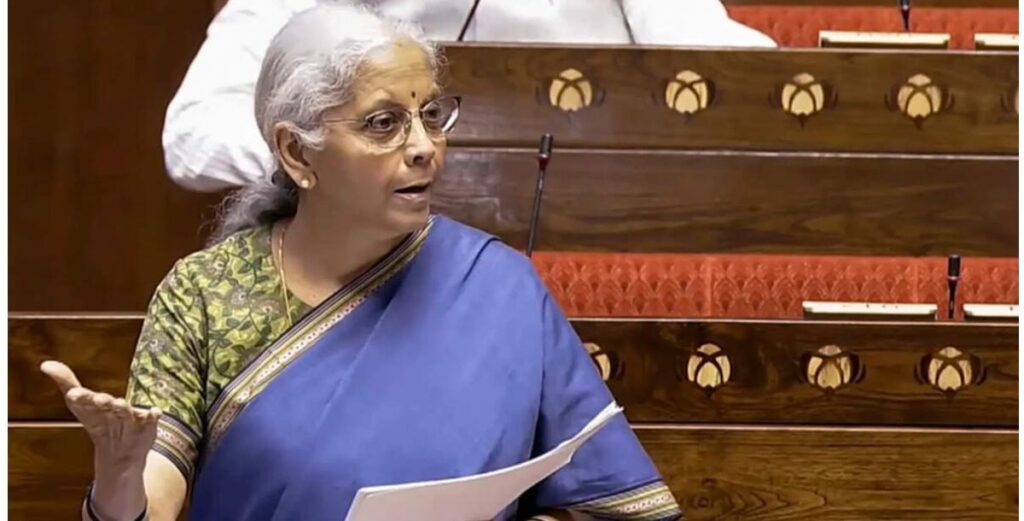
As geopolitical tensions in West Asia escalate, concerns over potential fuel supply disruptions have triggered widespread speculation across India. Social media platforms and some political voices amplified fears of an impending nationwide lockdown similar to the COVID-19 era. On March 27, 2026, Union Finance Minister Nirmala Sitharaman addressed these rumours directly in the Rajya Sabha, delivering a clear and reassuring message: there is no lockdown planned in India.
Speaking during a discussion on the Finance Bill, Sitharaman stated, “I want to reassure people that there shall not be any lockdown. I am surprised that some leaders are saying there will be a lockdown and there will be shortages of fuel. These are baseless.” She emphasized that the government has no proposal under consideration for any form of lockdown and urged political leaders to stop spreading misinformation that creates unnecessary panic among the public.
Why the Rumours Started
The speculation gained momentum due to the ongoing conflict in West Asia, particularly involving Iran, Israel, and related developments that have disrupted global energy markets. India imports over 80% of its crude oil requirements, with a significant portion routed through the Strait of Hormuz. Recent reports indicate that international crude oil prices have surged sharply—from around USD 70 per barrel to as high as USD 122 per barrel in a short span—raising alarms about potential supply chain stress. 
In neighbouring countries, the situation has been more severe. Sitharaman highlighted developments in Pakistan, where petrol prices reportedly jumped to 321 Pakistani rupees per litre, with a 20% overnight increase in some fuels and even a 200% hike in high-octane variants. Authorities there have reportedly introduced “smart lockdowns” in provinces like Sindh, restricting movement, closing schools for two weeks, shifting government offices to a four-day week, and advising private firms to adopt work-from-home for half their staff. Similar restrictions were noted in Bangladesh. India, however, is charting a different course.
Government’s Clear Stance and Preparedness
Sitharaman firmly clarified that India is not following the path of restrictions seen elsewhere. “We are not doing this here,” she said, while stressing that the government is actively monitoring the situation and remains “on its toes” to manage any challenges. Union Petroleum and Natural Gas Minister Hardeep Singh Puri also reinforced that there is no fuel shortage. Government sources indicate that India currently holds sufficient stocks—approximately 60 days of oil and one month of LPG—with refineries operating at high capacity and normal delivery cycles intact.
To shield consumers from global price shocks, the government has taken proactive steps. It reduced central excise duty on petrol and diesel by ₹10 per litre each. This move aims to prevent the full burden of rising international crude prices from passing on to Indian households and businesses. While some private retailers like Nayara Energy adjusted premium fuel prices marginally, regular petrol and diesel retail prices have largely remained stable across major cities in recent days. 
The Finance Minister acknowledged the revenue impact of the duty cut and indicated that the government would mobilize additional resources through non-tax revenues and maintain fiscal prudence to keep the deficit under control. The twin objectives remain clear: protect consumers, ensure uninterrupted supply, and avoid any drastic economic disruption.
Reality Check: Is There a Fuel Crisis?
As of now, the answer is no immediate crisis. The Ministry of Petroleum and Natural Gas has repeatedly assured that there is no supply gap. Retail outlets are functioning normally, and contingency plans are in place to handle any unforeseen developments. Authorities are closely watching global markets, but the focus is on measured, strategic responses rather than panic-driven measures.
This approach marks a significant evolution in India’s crisis management post-COVID. Instead of immediate lockdowns or sweeping restrictions, the emphasis is on monitoring, buffering stocks, and targeted interventions like duty adjustments. Sitharaman’s statement serves as both reassurance and a warning against rumour-mongering in the digital age, where unverified claims can spread faster than facts and trigger unnecessary hoarding or market stress.
What This Means for Citizens and Businesses
For the average Indian, the message is straightforward and comforting:
- No lockdown of any kind is being planned.
- Fuel supplies (petrol, diesel, and LPG) remain stable for the foreseeable future.
- There is no need for panic buying or hoarding fuel and essentials.
- Petrol and diesel prices at pumps have been largely protected through government intervention, though they may see some fluctuation depending on global crude trends and rupee movement.
Businesses, especially in transport, logistics, manufacturing, and agriculture, can continue operations without fear of sudden shutdowns. Daily commuters, farmers, and small enterprises benefit from the government’s efforts to keep fuel affordable and available.
Households relying on LPG for cooking can also breathe easy, as stocks are reported to be adequate. However, citizens are advised to rely only on official government communications and verified news sources rather than viral social media forwards.
Broader Economic Context and Post-Pandemic Strategy
The West Asia conflict has put pressure on India’s import-dependent energy sector, but the government’s response reflects a mature, balanced strategy. By cutting excise duties, the Centre has absorbed part of the cost to prevent inflation from spiking and affecting household budgets. At the same time, it is preparing to offset revenue losses through other means while keeping a vigilant eye on the fiscal deficit.
This episode also underscores India’s shift away from the “lockdown-first” mindset of the pandemic years. Today, the priority is economic continuity, supply chain resilience, and clear public communication. Sitharaman’s intervention in the Rajya Sabha is part of that larger effort to build public trust and prevent fear from translating into real economic damage.
FAQ
1.Is India going into a lockdown due to fuel shortage?
No. Nirmala Sitharaman has categorically stated there is no proposal or possibility of any lockdown.
2.Why did lockdown rumours spread?
Rising crude prices and supply concerns linked to the West Asia conflict, combined with reports of restrictions in Pakistan and Bangladesh, fueled speculation. Some political statements added to the confusion.
3.Should I stock up on fuel or essentials?
No. The government has confirmed stable supplies and sufficient buffer stocks. Panic buying is unnecessary and can create artificial shortages.
4.Will petrol and diesel prices rise sharply?
The government has reduced excise duty to cushion the impact. While global prices remain volatile, retail prices in India have been kept relatively stable so far.
5.How is the government managing the situation?
Through duty cuts, monitoring of global developments, ensuring uninterrupted refinery operations, and maintaining strategic reserves.
Conclusion
At a time when misinformation can quickly escalate into public anxiety, Nirmala Sitharaman’s firm clarification in the Rajya Sabha provides much-needed reassurance. India is not heading toward any lockdown. Fuel supplies are stable, and the government is actively working to protect citizens from global shocks while maintaining economic stability.
The real lesson here is the importance of verified information over viral rumours. As India navigates these uncertain global waters, a calm, prepared, and united approach will help the nation sail through without unnecessary disruptions. Citizens are encouraged to stay informed through official channels and avoid contributing to panic.
This measured response not only addresses immediate concerns but also signals India’s growing resilience in handling external crises with prudence rather than panic. For now, daily life and economic activity can continue normally—without the shadow of another lockdown.

Leave a Reply