
Writer by sanjoy 17.02.2026 Time 3.00 PM Published
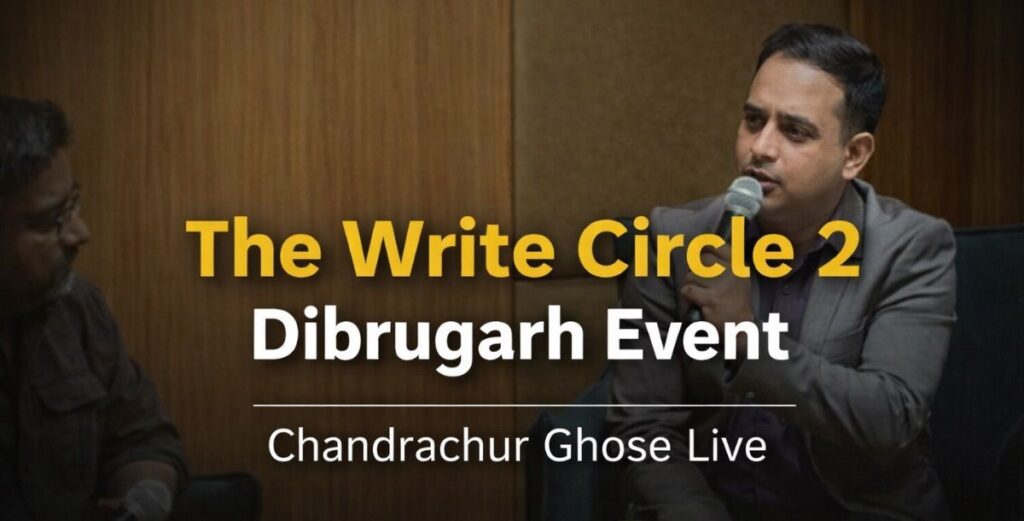
dominated by short social media reels and polarized debates, The Write Circle 2 brought something refreshingly different to Dibrugarh Assam’s bustling tea capital. The second edition of this intimate literary dialogue series, organized by the Prabha Khaitan Foundation, drew a packed house of enthusiastic students, academics, and book lovers. At the heart of the event was noted author, researcher, and public speaker Chandrachur Ghose, who engaged in a deep, unhurried conversation with Dr. Kaustubh Deka of Dibrugarh University.
Held recently in Dibrugarh, the session transformed a simple literary gathering into a vibrant platform for meaningful exchange on critical issues politics, economic policy, history, governance, and the pressing environmental challenges facing Assam and India. Far from a one-sided lecture, the format encouraged real-time questions, respectful disagreements, and nuanced discussions that felt both intellectual and deeply relevant to local realities.
What is The Write Circle? A Platform for Civil, In-Depth Conversations
The Write Circle is an initiative by the Kolkata-based Prabha Khaitan Foundation, established in the 1980s by litterateur Prabha Khaitan to promote literature, arts, and education. The series creates informal yet substantive spaces where authors and readers can interact beyond superficial soundbites.
Unlike high-pressure panel discussions or viral digital debates, The Write Circle prioritizes thoughtful dialogue. In Dibrugarh’s second edition, this approach shone brightly. Attendees appreciated how complex topics were unpacked in accessible language, blending national perspectives with Assam-specific contexts such as recurring floods, ecological pressures, and regional development needs.
Chandrachur Ghose, known for his well-researched writings that examine how historical and economic decisions continue to shape contemporary India, brought depth and credibility to the session. He avoided sensationalism, relying instead on data, historical references, and reasoned arguments. Dr. Kaustubh Deka’s moderation skillfully wove in local examples, making the conversation resonate strongly with the audience.
Why Chandrachur Ghose? The Perfect Voice for Dibrugarh’s Intellectual Appetite
The choice of Chandrachur Ghose as the central figure was no coincidence. His expertise spans history, politics, economics, and environmental issues topics that matter enormously in Assam. The Brahmaputra valley frequently grapples with floods, climate vulnerabilities, infrastructure challenges, and questions of equitable development. Ghose’s ability to connect past policies with present realities helped participants understand the “long shadow” of historical decisions on today’s governance and environment.
Audience members, many of them young students from Dibrugarh University and surrounding colleges, actively participated with questions on regional development, environmental accountability, and the role of informed citizenship. The session demonstrated that serious intellectual engagement is no longer limited to metropolitan cities like Delhi, Mumbai, or Kolkata. Smaller urban centres like Dibrugarh are emerging as vibrant hubs for such exchanges.
One attendee noted the refreshing nature of the event: “At a time when public discourse often feels rushed and fragmented, The Write Circle 2 offered something rare unhurried, thoughtful conversation.”
Dibrugarh’s Rising Role as a Centre for Ideas
Dibrugarh, famously known as Assam’s tea city and home to one of the region’s oldest universities, proved an ideal venue. The presence of a large student community and academic ecosystem created an energetic yet respectful atmosphere. The event highlighted a growing hunger among younger generations for nuanced discussions rather than quick opinions.
Supported by Oil India Ltd as a key partner and with hospitality from Cygnett Inn, the initiative underscored collaborative efforts to foster cultural and intellectual growth in Northeast India. Organizers see The Write Circle as part of a broader outreach to take meaningful conversations to emerging cities across the country.
This edition in Dibrugarh signals an important cultural shift. It proves that civil, data-driven dialogue still finds a receptive audience and that audience is expanding beyond traditional intellectual corridors.
Key Takeaways from The Write Circle 2
- Bridging Scholarship and Everyday Life: Ghose and Deka made abstract concepts relatable by linking them to Assam’s lived experiences.
- Focus on Environment and Governance: Discussions touched upon sustainable development, ecological conservation, and how policy decisions impact flood-prone regions.
- Youth Engagement: Students dominated the audience, asking sharp questions and showing eagerness to engage with national-level thinkers.
- Promotion of Civil Discourse: The session modelled how disagreement can coexist with respect and evidence-based reasoning.
Broader Significance for Assam and Northeast India
Events like The Write Circle 2 play a vital role in strengthening democratic values through informed citizenship. In a region rich with diverse cultures, histories, and ecological treasures, such platforms help connect local aspirations with wider national conversations.
For Dibrugarh specifically, the event adds to its growing reputation as more than an industrial and educational centre it is becoming a destination for ideas and cultural exchange. With Dibrugarh University already hosting international literature festivals, this literary dialogue series complements the city’s vibrant academic scene.
Experienced organizers like the Prabha Khaitan Foundation bring decades of credibility in promoting literature. Chandrachur Ghose’s reputation as a researcher adds authoritative depth, while Dr. Kaustubh Deka’s academic standing ensures local relevance. Together, they create trustworthy, expert-led content that readers and participants value.
Practical Information for Future Editions
If you missed The Write Circle 2, keep an eye on the Prabha Khaitan Foundation’s channels and local updates from Dibrugarh for upcoming sessions. Similar events are being planned in other cities, bringing authors closer to readers across India.
Whether you are a student, academic, or simply someone passionate about ideas, platforms like The Write Circle offer a rare chance to engage directly with thinkers who shape public understanding of history, politics, and the environment.
Conclusion: A Beacon of Thoughtful Dialogue in Assam
The Write Circle 2 in Dibrugarh was far more than a literary event. It was a powerful reminder that informed, civil conversations still thrive and are finding enthusiastic audiences in unexpected places like Assam’s tea gardens and university campuses.
By featuring Chandrachur Ghose in conversation with local academic voices, the session successfully sparked urgent yet respectful discussions on the issues that matter most today. As Northeast India continues its journey of growth and self-expression, initiatives like this play a quiet but crucial role in nurturing thoughtful citizens and preserving space for depth in public life.
Dibrugarh has shown that serious ideas belong everywhere not just in the metros. Here’s hoping more such circles light up conversations across Assam and beyond.
FAQ
1.What is The Write Circle 2?
It is the second edition of a literary dialogue initiative designed to encourage open conversation between authors and readers.
2.Who were the key speakers in Dibrugarh?
Author Chandrachur Ghose and academic Dr Kaustubh Deka led the discussion.
3.Who organised the event?
The programme was organised under the aegis of the Prabha Khaitan Foundation with institutional support from Oil India Ltd.
4.Why is this event significant?
It highlights the rise of smaller cities like Dibrugarh as centres for serious intellectual engagement.
Conclusion
The Write Circle 2 in Dibrugarh was not just a literary gathering. It was a reminder that informed, civil dialogue still has an audience and that audience is expanding beyond India’s metros.
As public interest in policy, environment and history deepens, platforms like this could quietly shape the future of regional discourse. In a fast-moving digital age, Dibrugarh chose reflection over noise and the response suggests that choice resonated.



Leave a Reply