
Writer by finbuzzindia 12.05.2026 Time 12.05 PM Published
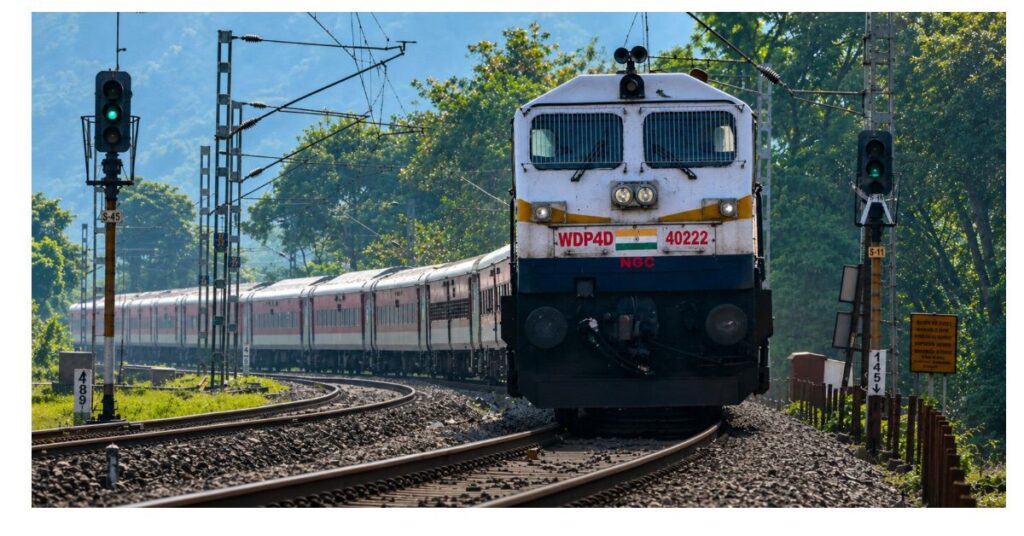
The Northeast Frontier Railway (NFR) has officially hit the “refresh” button on its operations, implementing a sweeping revision of train schedules that affects the daily lives of thousands across Northeast India.where time is the most valuable currency, this strategic realignment aims to transform the region’s rail network from a system often plagued by delays into a model of punctuality and synchronized movement. Whether you are a daily commuter in Assam or a long-distance traveler heading to the national capital, these changes represent a pivotal shift in how the NFR serves its vast and diverse passenger base.
Breaking Down the Update Who is affected?
The primary stakeholders in this massive transition are the millions of passengers navigating the Northeast Frontier Railway zone. Specifically, travelers using more than 80 different train services—ranging from elite long-distance carriers like the Rajdhani and Shatabdi Express to local DMU and passenger trains—will see a change in their routine.the passengers, the NFR operational staff, station masters, and loco pilots are the “who” behind the scenes, tasked with executing this complex logistical puzzle to ensure that the new timings are met with precision and reliability across the entire network.
What is changing?
The railway timetable. This isn’t just a minor tweak to a few local routes; it is a systemic revision of arrival and departure timings across 80+ services. Key premium trains, such as the Dibrugarh–New Delhi Rajdhani and the Agartala Tejas Rajdhani, have been assigned new slots. The goal is to eliminate “bottlenecks”—those frustrating moments where trains sit outside a station waiting for a platform to clear. By restructuring these timings, the NFR is essentially optimizing the “flow” of traffic on tracks that are often shared by both freight and passenger services.
When did this take effect?
Timing is everything in the railway business, and the NFR chose April 30, 2026, as the official launch date for this new schedule. This date marks the transition into a more disciplined operational phase for the current fiscal year. For passengers who booked tickets months in advance, this means their original departure time printed on the ticket may no longer be accurate. The NFR has emphasized that the revised schedule is now the “new normal,” and all operations since late April have been strictly adhering to these updated timestamps to ensure a smoother transition into the summer travel season.
The geographical footprint of this update is massive, covering the entire Northeast Frontier Railway network. While the impact is felt across all seven sister states, the focal points are major transit hubs like Guwahati, Dibrugarh, Silchar, Lumding, and Agartala. Furthermore, the reach extends beyond the Northeast into “adjoining regions” and key destinations like New Delhi and Anand Vihar. If you are standing on a platform in New Tinsukia or waiting for a connection in Guwahati, you are at the heart of where these changes are most visible and vital for regional connectivity.
this revision necessary?
Historically, the challenging terrain of the Northeast and the limitations of single-track lines have led to cascading delays—if one train is late, ten others follow. The NFR initiated these revisions to “buffer” the schedule against such delays. By analyzing modern traffic patterns and infrastructure improvements, the railway authorities determined that the old timetable was outdated. This move is designed to ensure that “Express” actually means express, reducing idle time at stations and ensuring that passengers reach their destinations on schedule without the usual stress of unforeseen halts.
Key Details
The revision highlights several “lifeline” trains that connect the Northeast to the rest of India. If you are traveling on any of the following, double-check your boarding time:
- 12423/12424 Dibrugarh–New Delhi Rajdhani Express: The flagship connection between Upper Assam and the Capital.
- 20501/20502 Agartala Tejas Rajdhani Express: A critical link for Tripura’s connectivity.
- 12087/12088 Naharlagun–Guwahati Shatabdi Express: The primary fast-link for Arunachal Pradesh commuters.
- 15669/15670 Guwahati–Dibrugarh Express: A daily essential for intra-state travel in Assam.
Expert Quotes & Official
According to official statements from the Northeast Frontier Railway (NFR): The revised timetable is expected to reduce delays, improve train connectivity, and ensure smoother movement across the zone. Passengers are advised to check updated timings before starting their journey to avoid any inconvenience.”
The Evolution of NFR
The Northeast Frontier Railway has always faced unique challenges compared to other zones in India. Operating in a region with heavy monsoons, hilly terrain, and significant river crossings (like the Brahmaputra), maintaining a strict schedule has been an uphill battle. In recent years, massive investments in double-tracking and electrification have created the infrastructure needed for faster travel. However, infrastructure alone isn’t enough—you need a smart schedule to match. This 2026 revision is the culmination of years of data tracking, aimed at finally aligning the region’s operational “brain” with its new, stronger “muscles.”
Takeaways for Travelers
- Reduced Buffer Times: Expect shorter halts at intermediate stations, meaning you spend less time sitting still and more time moving.
- Improved Connection Windows: New timings are designed to help passengers who need to switch from local passenger trains to long-distance expresses at hubs like Guwahati.
- Digital Verification: The NFR has moved away from traditional paper charts as the primary source; they are pushing all passengers toward the NTES (National Train Enquiry System) for real-time updates.
- Operational Reliability: With over 80 trains synchronized, the “cascading delay” effect is expected to drop significantly by the end of the second quarter of 2026.
(FAQ)
Q1: How can I check if my specific train time has changed?
A: The most reliable method is using the IRCTC website/app or the NTES (National Train Enquiry System). Simply enter your train number to see the updated schedule.
Q2: I booked my ticket in February for a June journey. Will my ticket show the new time?
A: No, your physical or digital ticket might show the old time. You must check the current live schedule online, as the changes apply to all journeys after April 30, 2026.
Q3: Are the train numbers changing as well?
A: No, the train numbers (e.g., 12423) remain the same. Only the arrival and departure times at various stations have been adjusted.
Conclusion
The revision of timings for over 80 trains by the Northeast Frontier Railway is more than just a clerical update; it is a commitment to the people of the Northeast. By prioritizing punctuality and efficiency, the NFR is acknowledging that the region’s growth is tied directly to the reliability of its transport links. While any change requires a period of adjustment for the public, the long-term benefits of a streamlined, delay-free rail network will far outweigh the initial confusion. As we move further into 2026, the NFR’s “new time” promises to lead to a more connected and productive future for all.